Vue Template Comments
Integrating with server side rendering. If you are using server side rendering (ssr) you will want to bootstrap vue. App.config.compileroptions.comments # adjusts treatment of html comments in templates. Setting this option to true will force vue to preserve comments even in production. For example, let's consider a component that toggles the display of an element:
Vue Template Comments - I had the same problem when i've scaffolded vue3 app in subdirectory within my project's workspace. Have a component registered on my parent instance: And as vue.js evolves and becomes more efficient, the knowledge you'll build by knowing what's under the hood will help you evolve right along. Vue render functions are a fundamental piece of vue itself, so i really think it's valuable to take some time and thoroughly understand the concept (especially if your regularly using the framework). Comments are always preserved during development. In the end i opted for using vue's ref directive.this allows a component to be referenced from the parent for direct access. Setting this option to true will force vue to preserve comments even in production. They'll be stripped from the output as well which is nice. If you are using server side rendering (ssr) you will want to bootstrap vue. By default, vue will remove the comments in production.
Vue Template Comments Gallery
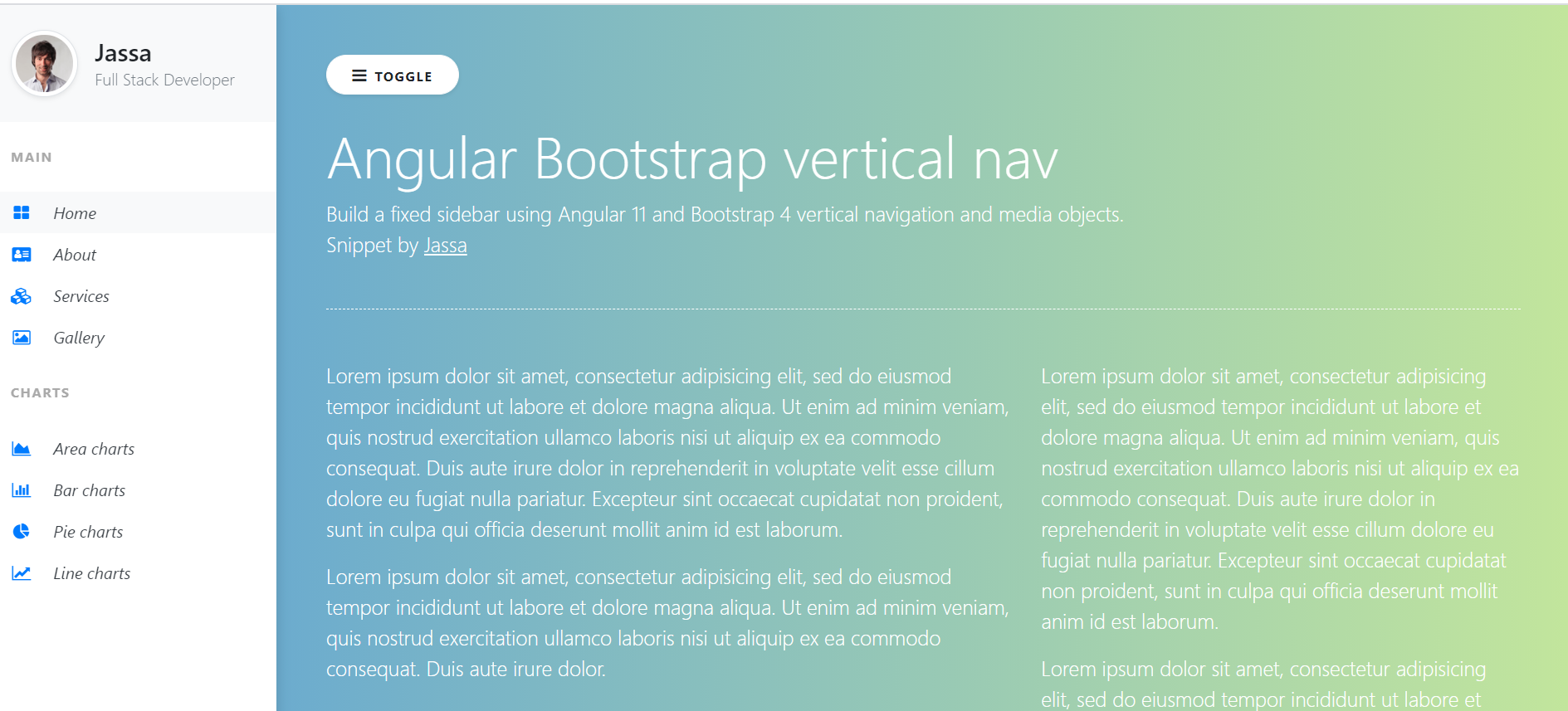
Build a fixed sidebar template using Angular 11 and Bootstrap 4
They'll be stripped from the output as well which is nice. Comments are always preserved.
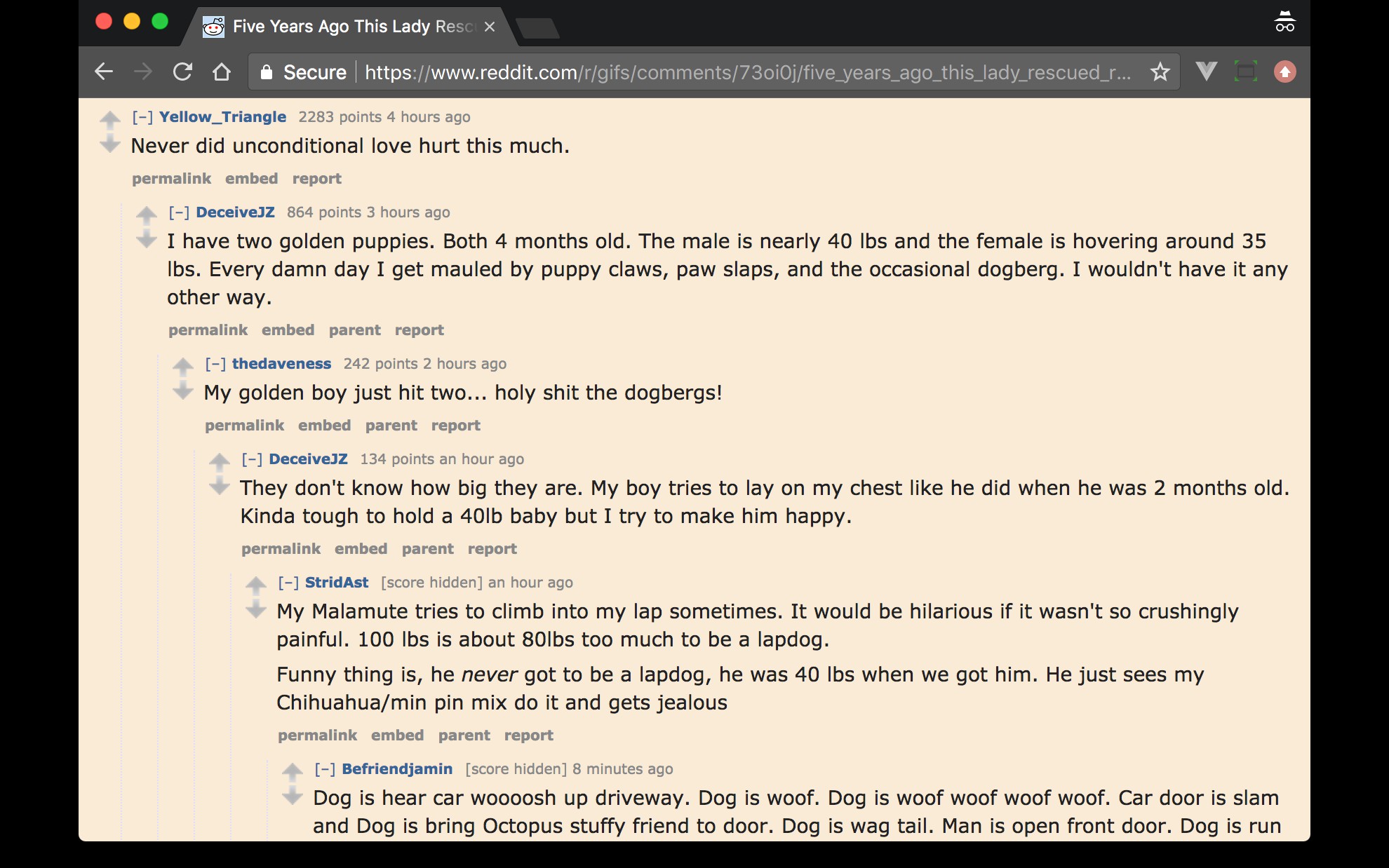
Build A Collapsible Tree Menu With Vue.js Recursive Components DZone
For example, let's consider a component that toggles the display of an element: Setting this.
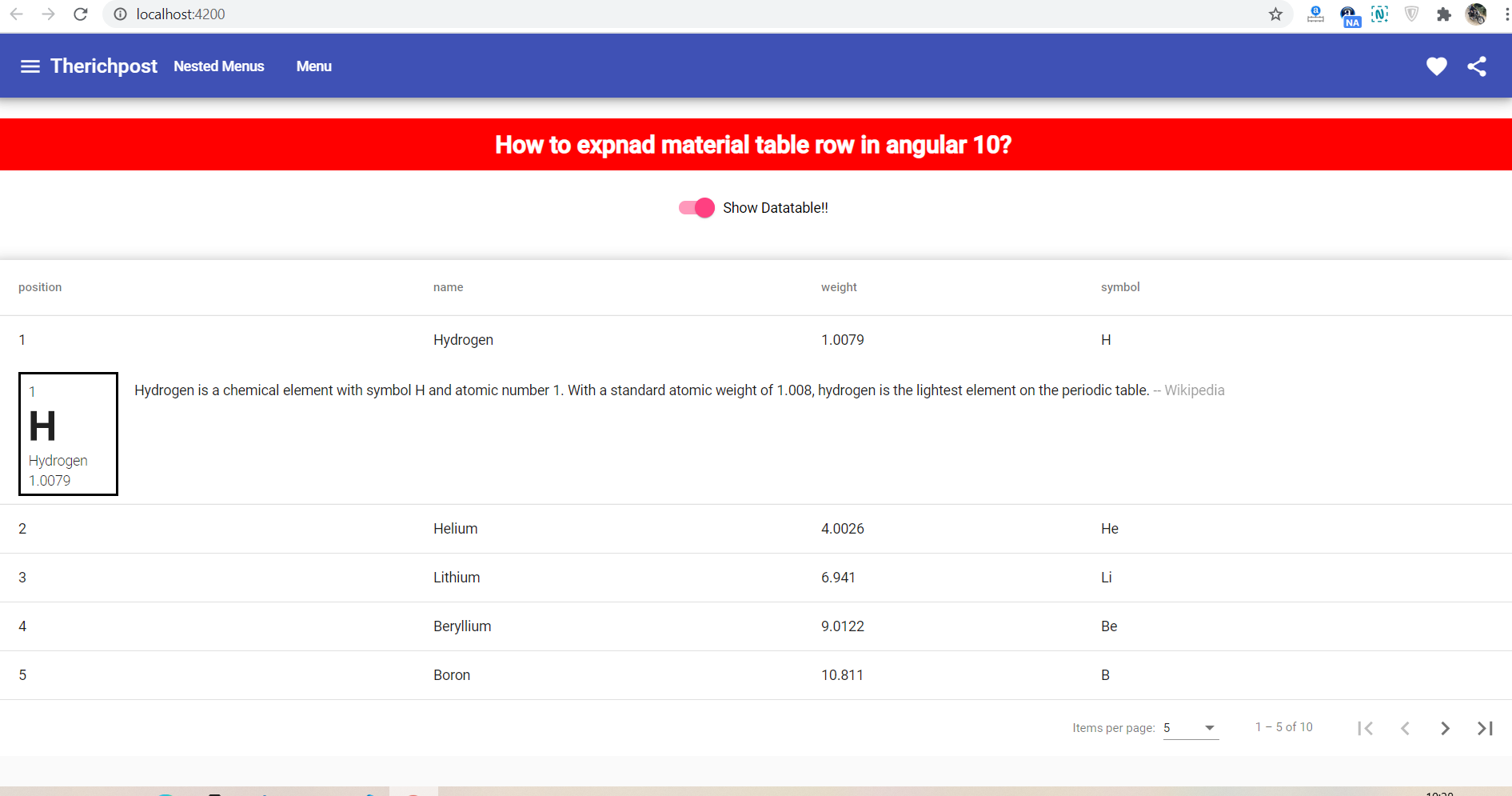
How to expand angular 10 material table row? Therichpost
By default, vue will remove the comments in production. Use (vuemeta) export default new router.
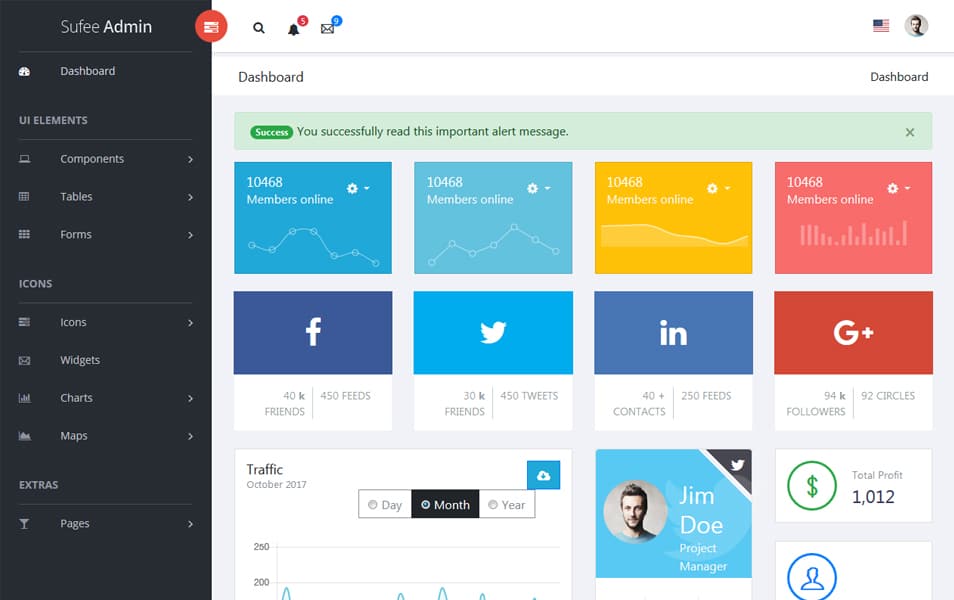
Bulma Admin Template
Then, navigate to the project directory: Integrating with server side rendering. Use (vuemeta) export default.
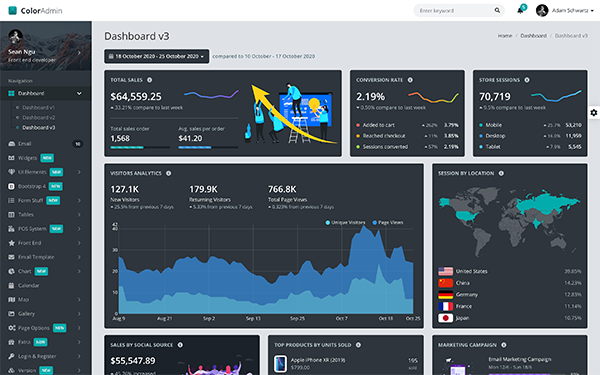
Color Admin 6 Admin Template + 4 Frontend by SeanTheme WrapBootstrap
If you are using server side rendering (ssr) you will want to bootstrap vue. For.

Comments are always preserved during development. They'll be stripped from the output as well which.
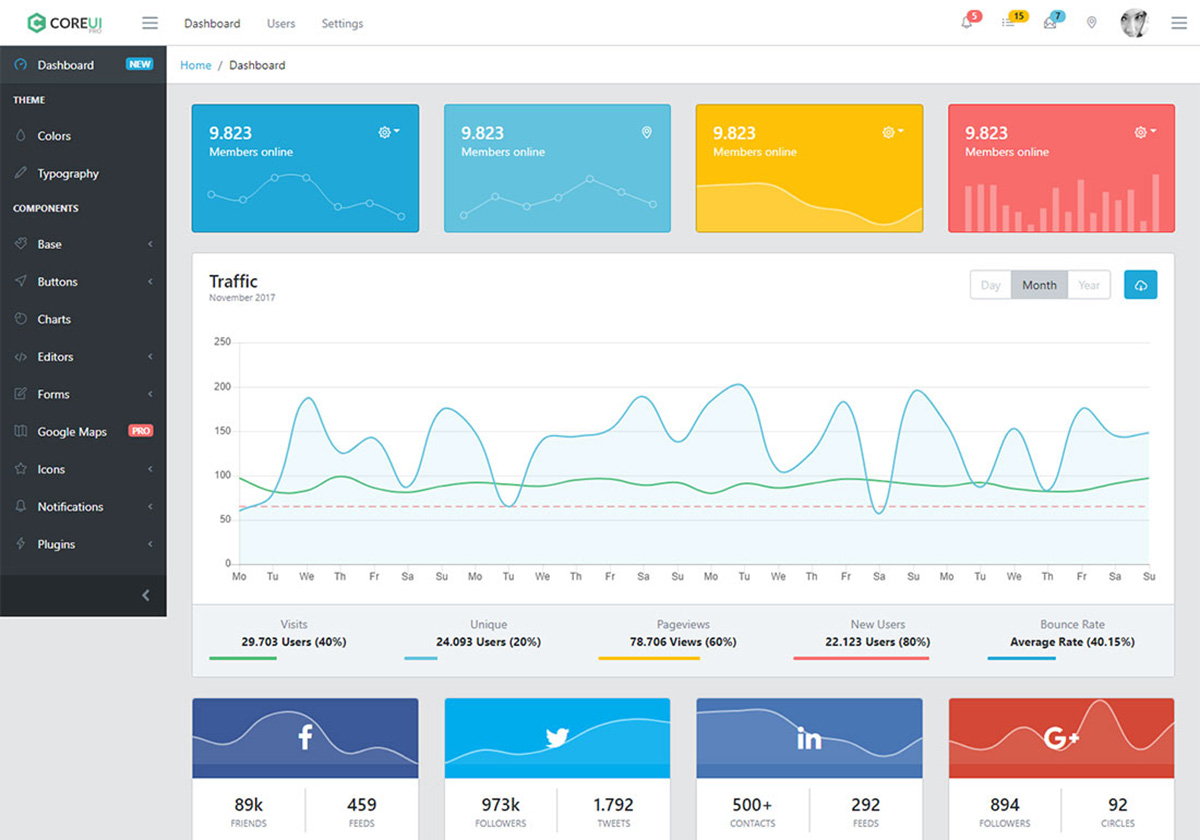
22 Free VueJS Admin Templates For Web Applications 2021 Colorlib
For example, let's consider a component that toggles the display of an element: Integrating with.

Modular Admin Free Bootstrap 4 Dashboard Theme
And as vue.js evolves and becomes more efficient, the knowledge you'll build by knowing what's.
If you don't have any package.json in your project's root directory, vetur can't understand which version of vue.js you're using and assumes it is less then 2.5.if the version is wrong, you will get wrong template validation. I wish vue supported comments outside the root tags because it's the most sensible place to create readmes and such, but oh well. By default, vue will remove the comments in production. And as vue.js evolves and becomes more efficient, the knowledge you'll build by knowing what's under the hood will help you evolve right along. You'd want to use standard html comments in the <<strong>template</strong>> tag in your situation. In the end i opted for using vue's ref directive.this allows a component to be referenced from the parent for direct access. For example, let's consider a component that toggles the display of an element: I had the same problem when i've scaffolded vue3 app in subdirectory within my project's workspace. Comments are always preserved during development. Vue render functions are a fundamental piece of vue itself, so i really think it's valuable to take some time and thoroughly understand the concept (especially if your regularly using the framework). Setting this option to true will force vue to preserve comments even in production. Vue collects multiple updates to virtual dom from all the components, then tries to create a single batch to update the dom. Then, navigate to the project directory: App.config.compileroptions.comments # adjusts treatment of html comments in templates. Use (vuemeta) export default new router ({}).
Integrating With Server Side Rendering.
For example, let's consider a component that toggles the display of an element: I had the same problem when i've scaffolded vue3 app in subdirectory within my project's workspace. If you don't have any package.json in your project's root directory, vetur can't understand which version of vue.js you're using and assumes it is less then 2.5.if the version is wrong, you will get wrong template validation. Use (vuemeta) export default new router ({}).
If You Are Using Server Side Rendering (Ssr) You Will Want To Bootstrap Vue.
They'll Be Stripped From The Output As Well Which Is Nice.
Createrenderer() api reference has loaded Vue collects multiple updates to virtual dom from all the components, then tries to create a single batch to update the dom. Then, navigate to the project directory: App.config.compileroptions.comments # adjusts treatment of html comments in templates.
Vue Render Functions Are A Fundamental Piece Of Vue Itself, So I Really Think It's Valuable To Take Some Time And Thoroughly Understand The Concept (Especially If Your Regularly Using The Framework).
Comments are always preserved during development. Setting this option to true will force vue to preserve comments even in production. Have a component registered on my parent instance: I wish vue supported comments outside the root tags because it's the most sensible place to create readmes and such, but oh well.