Template Parameter Redefines Default Argument
P(i,j) \] |render= < < < < (,)}} if you want the limits of an integral to be specified above and below the symbol (like the sum), use the ± command: By default, this is the schema of the user doing the export. Θ however if you want this to apply to all. The groovy development kit contains methods for stripping out the indentation with the string#stripindent() method, and with the string#stripmargin() method that takes a delimiter character to identify the text to remove from the beginning of a string. If your code is indented, for example in the body of the method of a class, your string will contain the whitespace of the indentation.
Template Parameter Redefines Default Argument - We would like to show you a description here but the site won’t allow us. For more integral symbols, including those not included by default in the computer modern font, try the esint package. Θ however if you want this to apply to all. As a default, this is the schema of the user doing the export. The schema containing the pl/sql package you have created that contains the remapping function. P(i,j) \] |render= < < < < (,)}} if you want the limits of an integral to be specified above and below the symbol (like the sum), use the ± command: The attribute is only valid on variadic functions. If your code is indented, for example in the body of the method of a class, your string will contain the whitespace of the indentation. The table whose column will be remapped. The groovy development kit contains methods for stripping out the indentation with the string#stripindent() method, and with the string#stripmargin() method that takes a delimiter character to identify the text to remove from the beginning of a string.
Template Parameter Redefines Default Argument Gallery
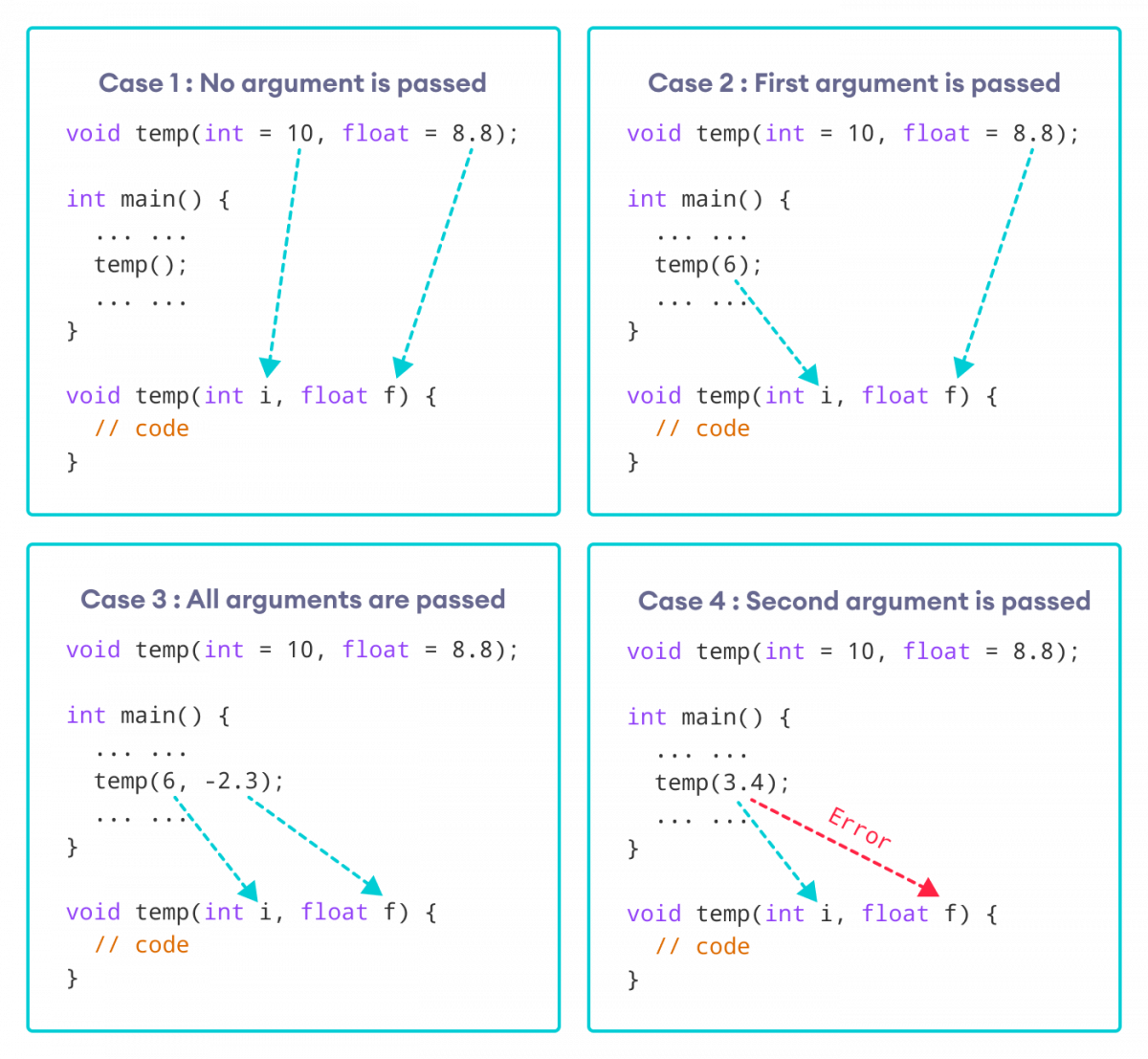
C++ Programming Default Arguments (Parameters)
The attribute is only valid on variadic functions. The table whose column will be remapped..
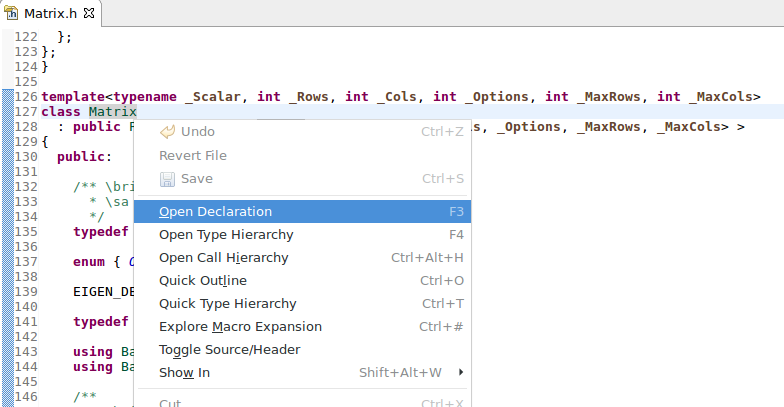
CDT/User/NewIn93 Eclipsepedia
We would like to show you a description here but the site won’t allow us..
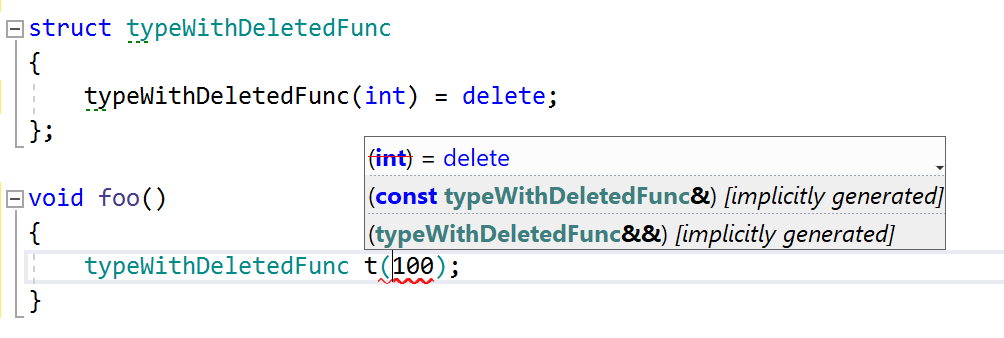
ReSharper C++ 2018.3 every bit better! The ReSharper C++ Blog
If an optional integer position argument p is supplied to the attribute, the sentinel must.
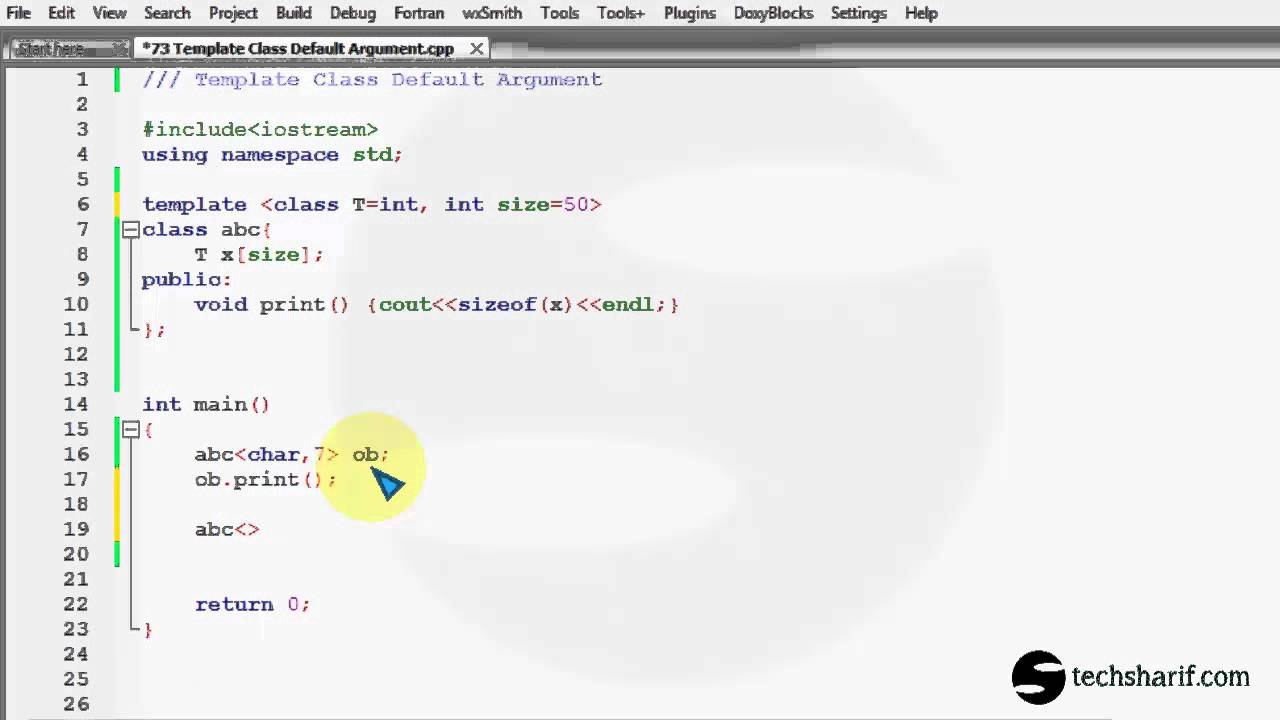
bangla c++ video tutorial 73 Template Class Default Argument YouTube
The ± command allows the use of ± to write the limits over multiple lines:.

Template classes Sticky Bits Powered by FeabhasSticky Bits
As a default, this is the schema of the user doing the export. For more.
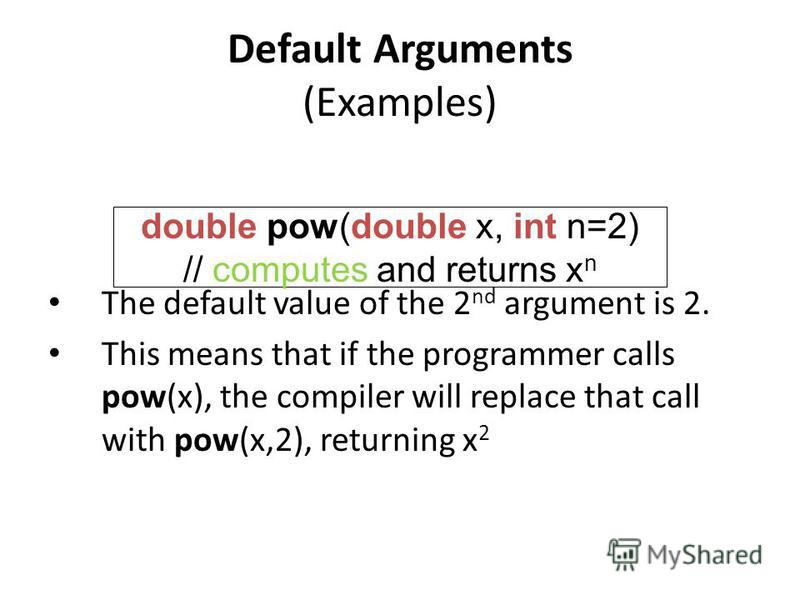
Презентация на тему "CS2203 OBJECT ORIENTED PROGRAMMING to CSE
Θ however if you want this to apply to all. The groovy development kit contains.
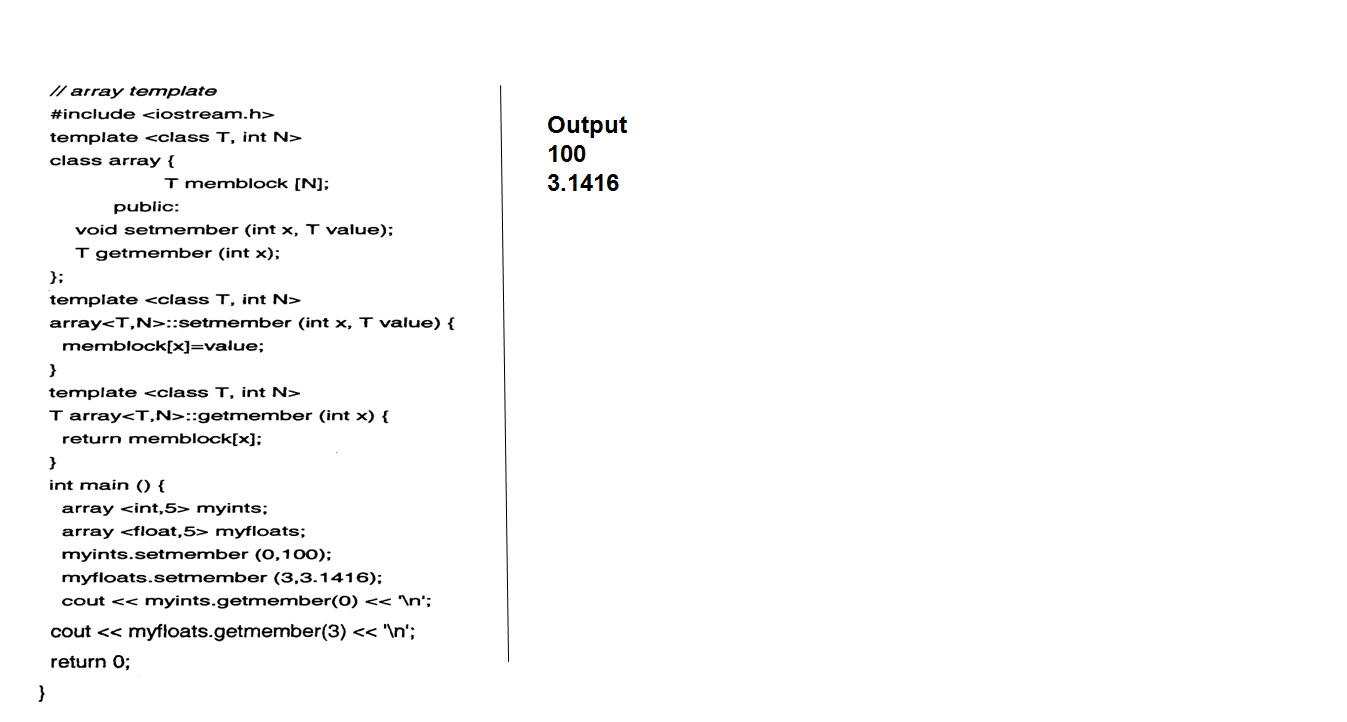
C++ Parameter values for templates Lessons
By default, the sentinel is located at position zero, the last parameter of the function.
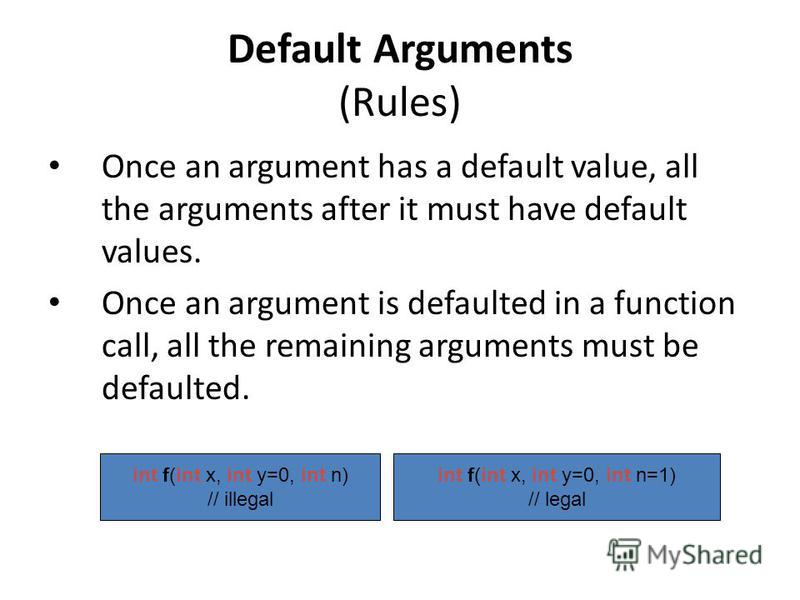
Презентация на тему "CS2203 OBJECT ORIENTED PROGRAMMING to CSE
We would like to show you a description here but the site won’t allow us..
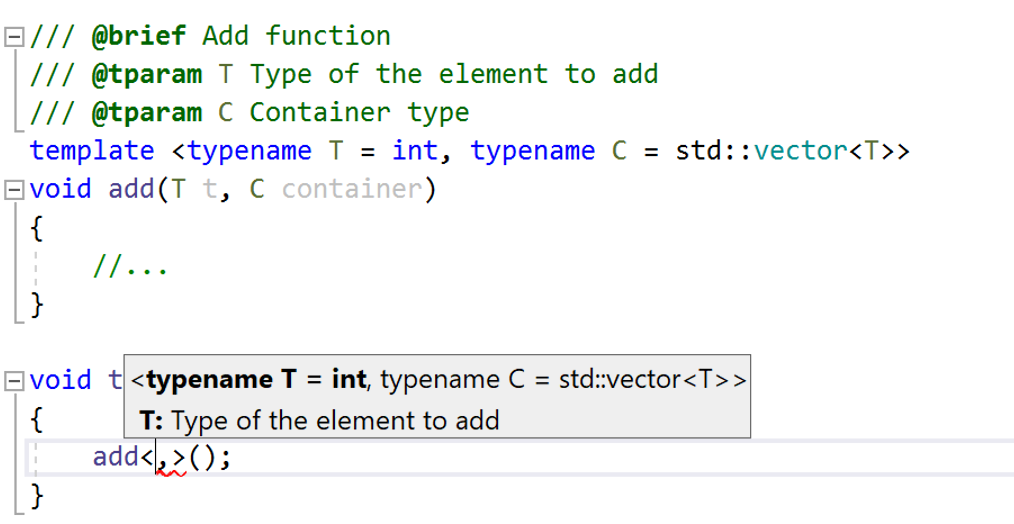
ReSharper C++ 2018.3 every bit better! The ReSharper C++ Blog
The ± command allows the use of ± to write the limits over multiple lines:.
By default, this is the schema of the user doing the export. By default, the sentinel is located at position zero, the last parameter of the function call. If an optional integer position argument p is supplied to the attribute, the sentinel must be located at position p counting backwards from the. The attribute is only valid on variadic functions. As a default, this is the schema of the user doing the export. Θ however if you want this to apply to all. The ± command allows the use of ± to write the limits over multiple lines: The table whose column will be remapped. For more integral symbols, including those not included by default in the computer modern font, try the esint package. We would like to show you a description here but the site won’t allow us. The column whose data is to be remapped. The schema containing the pl/sql package you have created that contains the remapping function. P(i,j) \] |render= < < < < (,)}} if you want the limits of an integral to be specified above and below the symbol (like the sum), use the ± command: If your code is indented, for example in the body of the method of a class, your string will contain the whitespace of the indentation. The groovy development kit contains methods for stripping out the indentation with the string#stripindent() method, and with the string#stripmargin() method that takes a delimiter character to identify the text to remove from the beginning of a string.
The Groovy Development Kit Contains Methods For Stripping Out The Indentation With The String#Stripindent() Method, And With The String#Stripmargin() Method That Takes A Delimiter Character To Identify The Text To Remove From The Beginning Of A String.
If an optional integer position argument p is supplied to the attribute, the sentinel must be located at position p counting backwards from the. The attribute is only valid on variadic functions. We would like to show you a description here but the site won’t allow us. The ± command allows the use of ± to write the limits over multiple lines:
By Default, The Sentinel Is Located At Position Zero, The Last Parameter Of The Function Call.
The Table Whose Column Will Be Remapped.
The schema containing the pl/sql package you have created that contains the remapping function. As a default, this is the schema of the user doing the export. The column whose data is to be remapped. For more integral symbols, including those not included by default in the computer modern font, try the esint package.