Template Bash Script
The script does the following: This applies mostly to using “dag_run” conf, as that can be submitted via users in the web ui. #!/bin/sh or #!/bin/bash has to be first line of the script because if you don't use it on the first line then the system will treat all the commands in that script as different commands. Care should be taken with “user” input or when using jinja templates in the bash_command, as this bash operator does not perform any escaping or sanitization of the command. If the first line is #!/bin/sh then it will consider all commands as a one script and it will show the that this file is running in ps command and not the commands inside the file.
Template Bash Script - If the first line is #!/bin/sh then it will consider all commands as a one script and it will show the that this file is running in ps command and not the commands inside the file. The template used in this quickstart is called create an azure key vault and a secret. The template creates a key vault, and then adds a secret to the key vault. In this tutorial, you deploy a custom script extension from an azure resource manager template (arm template) to run a powershell script on a windows vm. Azure quickstart templates is a repository for arm templates. Instead of creating a template from scratch, you open a template from azure quickstart templates. Most of the default template variables are not at risk. The script does the following: #!/bin/sh or #!/bin/bash has to be first line of the script because if you don't use it on the first line then the system will treat all the commands in that script as different commands. This applies mostly to using “dag_run” conf, as that can be submitted via users in the web ui.
Template Bash Script Gallery
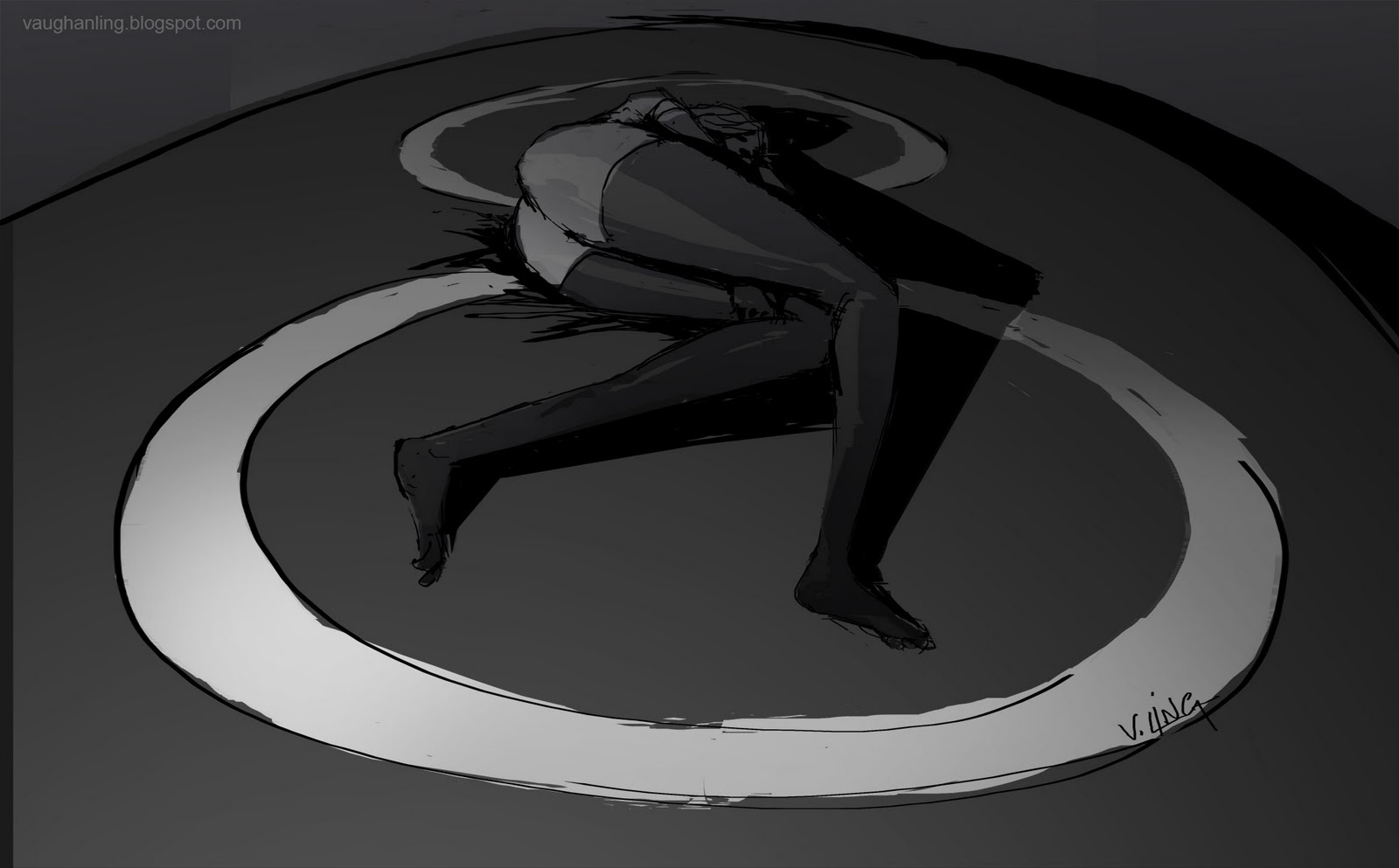
V Ling 01.12
Most of the default template variables are not at risk. The template creates a key.

Birthday Invite Flyer Template Birthday invitations, Flyer template
Most of the default template variables are not at risk. #!/bin/sh or #!/bin/bash has to.

V Ling 10.12
If the first line is #!/bin/sh then it will consider all commands as a one.
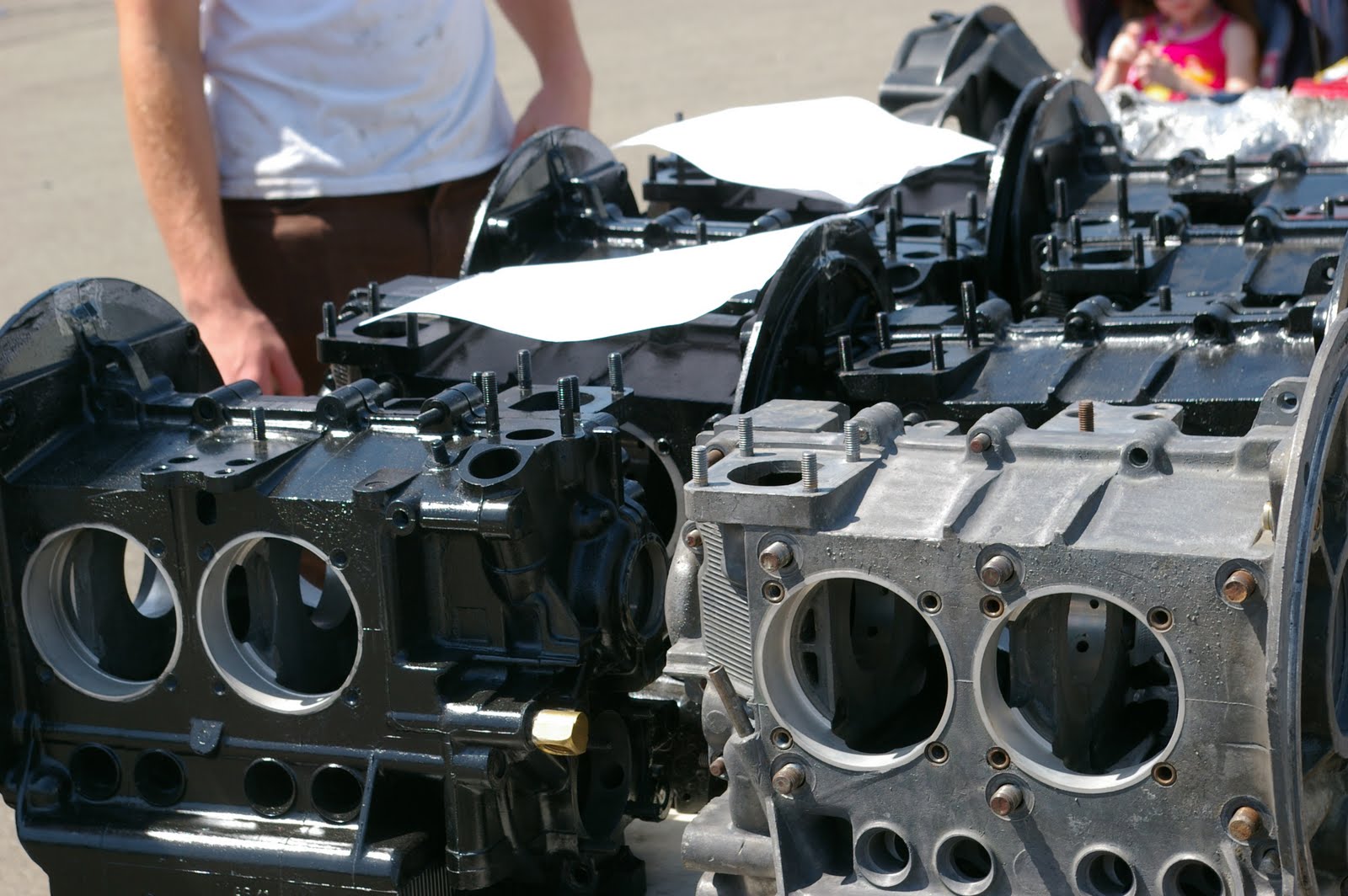
V Ling 06.10
#!/bin/sh or #!/bin/bash has to be first line of the script because if you don't.

V Ling 08.12
The script does the following: Azure quickstart templates is a repository for arm templates. The.
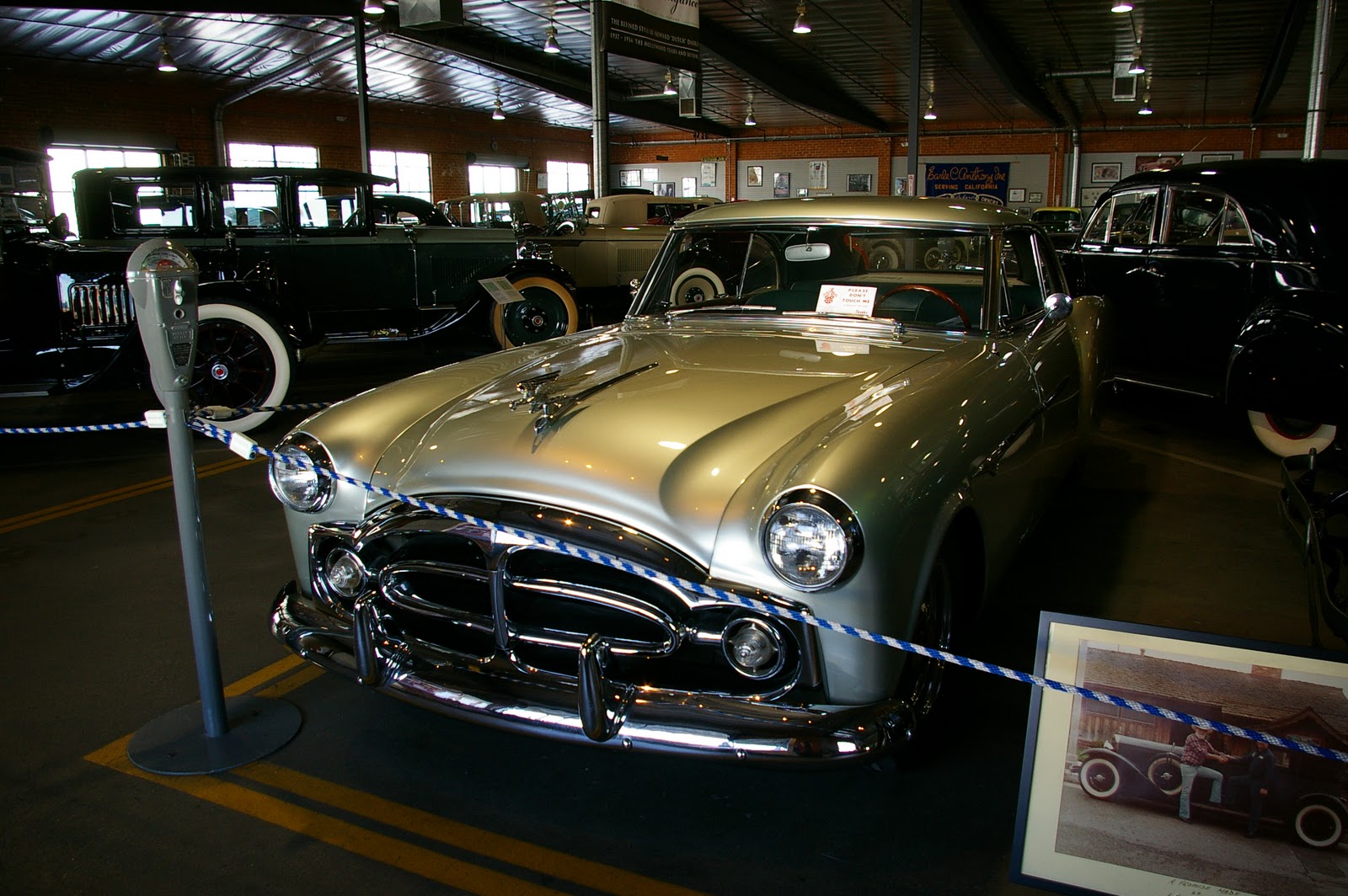
V Ling 01.11
#!/bin/sh or #!/bin/bash has to be first line of the script because if you don't.

V Ling Forest
This applies mostly to using “dag_run” conf, as that can be submitted via users in.
The template used in this quickstart is called create an azure key vault and a secret. Azure quickstart templates is a repository for arm templates. Care should be taken with “user” input or when using jinja templates in the bash_command, as this bash operator does not perform any escaping or sanitization of the command. The script does the following: #!/bin/sh or #!/bin/bash has to be first line of the script because if you don't use it on the first line then the system will treat all the commands in that script as different commands. If the first line is #!/bin/sh then it will consider all commands as a one script and it will show the that this file is running in ps command and not the commands inside the file. This applies mostly to using “dag_run” conf, as that can be submitted via users in the web ui. In this tutorial, you deploy a custom script extension from an azure resource manager template (arm template) to run a powershell script on a windows vm. The template creates a key vault, and then adds a secret to the key vault. Most of the default template variables are not at risk. Many different vm extensions are available for use with azure vms. Instead of creating a template from scratch, you open a template from azure quickstart templates.
The Script Does The Following:
Most of the default template variables are not at risk. Many different vm extensions are available for use with azure vms. #!/bin/sh or #!/bin/bash has to be first line of the script because if you don't use it on the first line then the system will treat all the commands in that script as different commands. Care should be taken with “user” input or when using jinja templates in the bash_command, as this bash operator does not perform any escaping or sanitization of the command.
The Template Creates A Key Vault, And Then Adds A Secret To The Key Vault.
The Template Used In This Quickstart Is Called Create An Azure Key Vault And A Secret.
In this tutorial, you deploy a custom script extension from an azure resource manager template (arm template) to run a powershell script on a windows vm.