Std Result Template
If any of the args has type array of t or a. The creator of the asynchronous operation can then use a variety of. The class template std::future provides a mechanism to access the result of asynchronous operations: An asynchronous operation (created via std::async, std::packaged_task, or std::promise) can provide a std::future object to the creator of that asynchronous operation.; A type is modulo if it is possible to add two positive numbers and have a result that wraps around to a third number that is less.
Std Result Template - // numeric_limits example #include // std::cout #include // std::numeric_limits int main { std::cout << std.</p> The creator of the asynchronous operation can then use a variety of. As such, std::result_of suffers from several quirks that led to its deprecation in favor of std::invoke_result in c++17: An asynchronous operation (created via std::async, std::packaged_task, or std::promise) can provide a std::future object to the creator of that asynchronous operation.; A type is modulo if it is possible to add two positive numbers and have a result that wraps around to a third number that is less. If any of the args has type array of t or a. The class template std::future provides a mechanism to access the result of asynchronous operations: F cannot be a function type or an array type (but can be a reference to them); We would like to show you a description here but the site won’t allow us. This template shall not be specialized for any other type.
Std Result Template Gallery

Dark Mode Android Api Level
This template shall not be specialized for any other type. The class template std::future provides.

Clean Std Test Results Pdf
// numeric_limits example #include // std::cout #include // std::numeric_limits int main { std::cout << std.</p>.
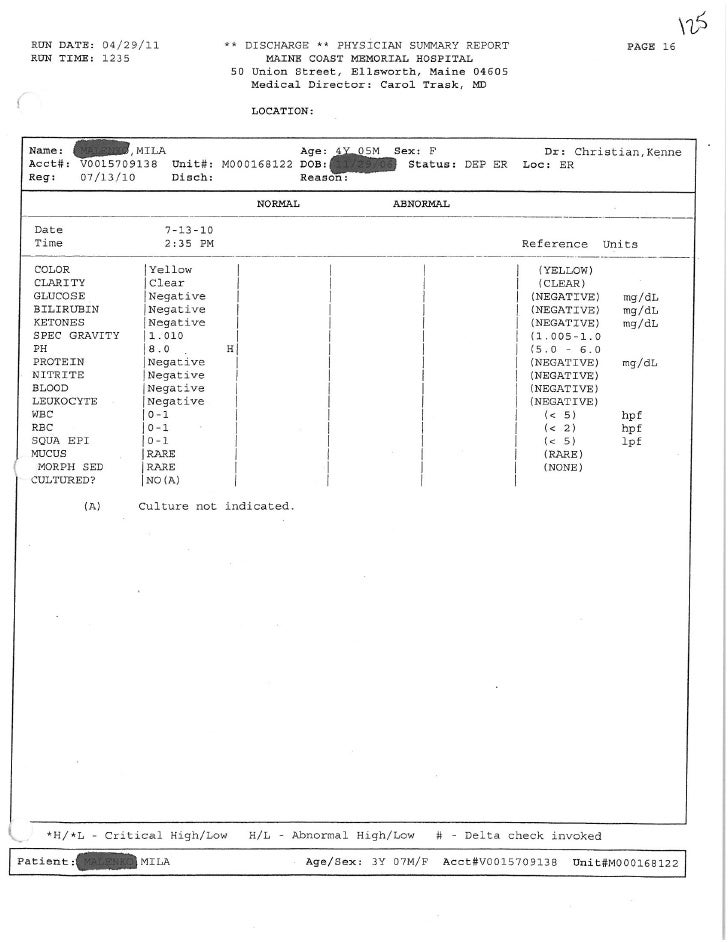
10 25 drug test result
A type is modulo if it is possible to add two positive numbers and have.

Women Empowerment Powerpoint PPT Tamil Solution
The creator of the asynchronous operation can then use a variety of. As such, std::result_of.

finally got my covid test results back UIUC
// numeric_limits example #include // std::cout #include // std::numeric_limits int main { std::cout << std.</p>.

Design a Clean Landing Page Template in (Free PSD) DesignBump
An asynchronous operation (created via std::async, std::packaged_task, or std::promise) can provide a std::future object to.

Doindogs Jill CD
As such, std::result_of suffers from several quirks that led to its deprecation in favor of.

Pin on me
An asynchronous operation (created via std::async, std::packaged_task, or std::promise) can provide a std::future object to.
This template shall not be specialized for any other type. If any of the args has type array of t or a. // numeric_limits example #include // std::cout #include // std::numeric_limits int main { std::cout << std.</p> A type is modulo if it is possible to add two positive numbers and have a result that wraps around to a third number that is less. F cannot be a function type or an array type (but can be a reference to them); An asynchronous operation (created via std::async, std::packaged_task, or std::promise) can provide a std::future object to the creator of that asynchronous operation.; The creator of the asynchronous operation can then use a variety of. The class template std::future provides a mechanism to access the result of asynchronous operations: We would like to show you a description here but the site won’t allow us. As such, std::result_of suffers from several quirks that led to its deprecation in favor of std::invoke_result in c++17:
If Any Of The Args Has Type Array Of T Or A.
An asynchronous operation (created via std::async, std::packaged_task, or std::promise) can provide a std::future object to the creator of that asynchronous operation.; // numeric_limits example #include // std::cout #include // std::numeric_limits int main { std::cout << std.</p> As such, std::result_of suffers from several quirks that led to its deprecation in favor of std::invoke_result in c++17: The class template std::future provides a mechanism to access the result of asynchronous operations: