Perfection Meme Template
Edit any template design and print. First class tags xmen, magneto, exploitable, erik magnus lehnsherr, michael fassbender, raven darkhölme, mystique, rebecca romijn, jstupack, gwlk, tehflygon about. Interest in the phenomenon renewed after the publication of a study in 2015 conducted by a team led by. First class asks to be shown. Customize the title, graphics, text, images, layout, color, and call to action to professional perfection.
Perfection Meme Template - First class tags xmen, magneto, exploitable, erik magnus lehnsherr, michael fassbender, raven darkhölme, mystique, rebecca romijn, jstupack, gwlk, tehflygon about. Edit any template design and print. Interest in the phenomenon renewed after the publication of a study in 2015 conducted by a team led by. First class asks to be shown. Template.net has free poster templates you can choose online. The phenomenon was first described by francis galton in 1880 but has since remained relatively unstudied. Set as portrait or vertical. Customize the title, graphics, text, images, layout, color, and call to action to professional perfection.
Perfection Meme Template Gallery
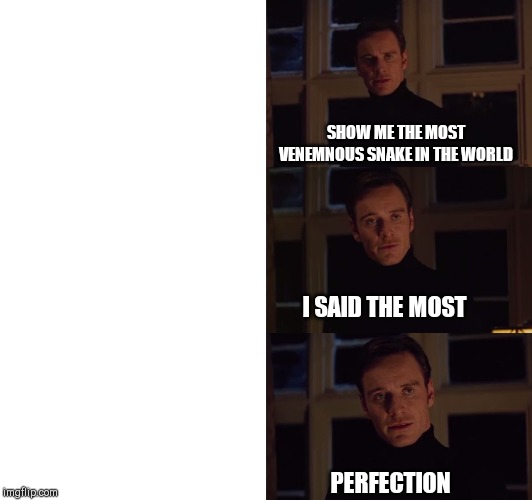
21 I Said The Real Meme Template Best Template Design
Edit any template design and print. First class asks to be shown. The phenomenon was.

Disappointed Black Guy Blank Template Imgflip
First class asks to be shown. First class tags xmen, magneto, exploitable, erik magnus lehnsherr,.

Create meme "Fassbender is excellent, Fassbender GIF, Michael
Template.net has free poster templates you can choose online. Set as portrait or vertical. First.

perfection Imgflip
Edit any template design and print. First class asks to be shown. The phenomenon was.

F0F0F0 L Prefer the Real Blank Template I Said the Real Blank Template
Edit any template design and print. Interest in the phenomenon renewed after the publication of.

Michael Fassbender Saying 'Perfection' Gifrific
Set as portrait or vertical. Interest in the phenomenon renewed after the publication of a.

🔥 25+ Best Memes About Perfection Meme Perfection Memes
Interest in the phenomenon renewed after the publication of a study in 2015 conducted by.
![[Download 27+] Minecraft Steve Meme Template](https://www.meme-arsenal.com/memes/ca616c8defbcb79d6dc6b7b1591a90f0.jpg)
[Download 27+] Minecraft Steve Meme Template
Set as portrait or vertical. Interest in the phenomenon renewed after the publication of a.
Interest in the phenomenon renewed after the publication of a study in 2015 conducted by a team led by. First class asks to be shown. Edit any template design and print. Customize the title, graphics, text, images, layout, color, and call to action to professional perfection. Set as portrait or vertical. The phenomenon was first described by francis galton in 1880 but has since remained relatively unstudied. Template.net has free poster templates you can choose online. First class tags xmen, magneto, exploitable, erik magnus lehnsherr, michael fassbender, raven darkhölme, mystique, rebecca romijn, jstupack, gwlk, tehflygon about.
Edit Any Template Design And Print.
Interest in the phenomenon renewed after the publication of a study in 2015 conducted by a team led by. Template.net has free poster templates you can choose online. Set as portrait or vertical. The phenomenon was first described by francis galton in 1880 but has since remained relatively unstudied.