Generate Cloudformation Template From Existing Resources
The output artifact contains a json file with the contents of the outputs section of the aws cloudformation template. Use an image to run aws commands. Creates a snapshot from an existing volume; Variables are protected by default.to use gitlab ci/cd with branches or tags that are not protected, clear the protect variable checkbox. Then you can run aws commands in your ci/cd jobs.
Generate Cloudformation Template From Existing Resources - Validating a template can help you catch syntax and some semantic errors, such as circular dependencies, before cloudformation creates any resources. The output artifact contains a json file with the contents of the outputs section of the aws cloudformation template. The export function calls the security hub getfindings api action and gets a list of findings to export from security hub.; For the aws cli or cloudformation api, use the aws cloudformation. In the aws management console, you invoke the csvexporter lambda function with a test event.; Parameters are defined in your template and allow you to input custom values when you create or update a stack. Then you can run aws commands in your ci/cd jobs. Use an image to run aws commands. Creates a snapshot from an existing volume; This is the aws codecommit api reference.this reference provides descriptions of the operations and data types for aws codecommit api along with usage examples.
Generate Cloudformation Template From Existing Resources Gallery

Tutorial Build and Test a Serverless Application with AWS Lambda AWS
For the aws cli or cloudformation api, use the aws cloudformation. If you use the.
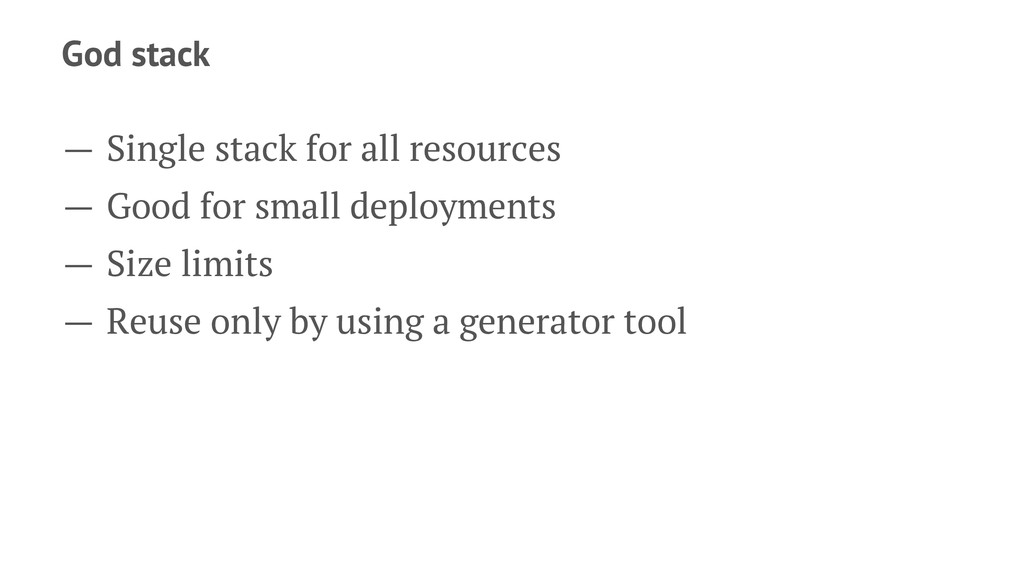
Ansible vs CloudFormation Smackdown! Speaker Deck
The output artifact contains a json file with the contents of the outputs section of.

Create cloud formation template from existing resources
If you don't specify a name, codepipeline doesn't generate an output artifact. If you use.
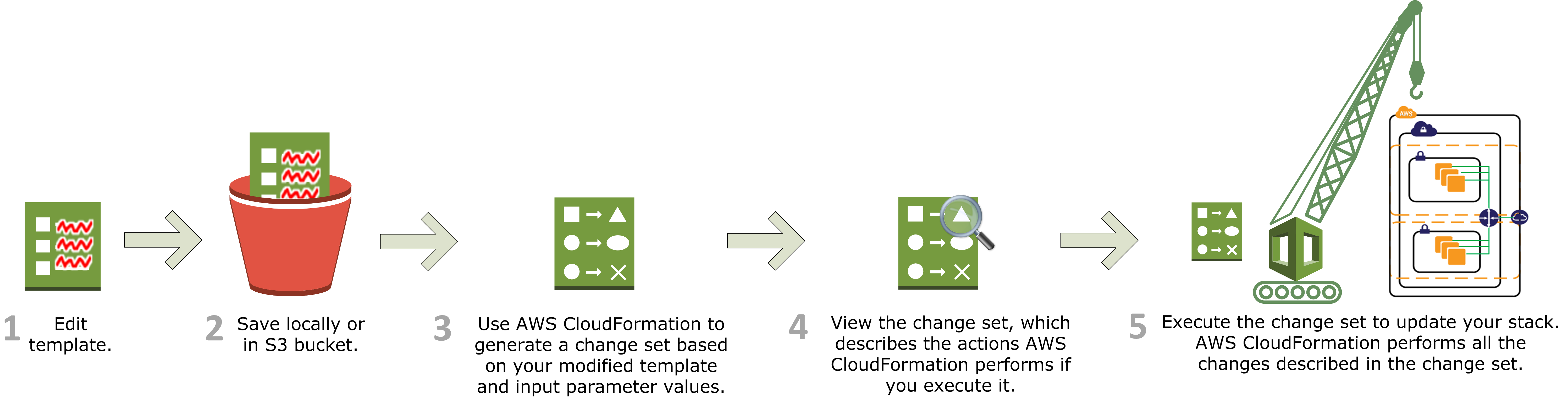
AWS Import/Export configuration as code (CloudFormation Terraform
In the aws management console, you invoke the csvexporter lambda function with a test event.;.
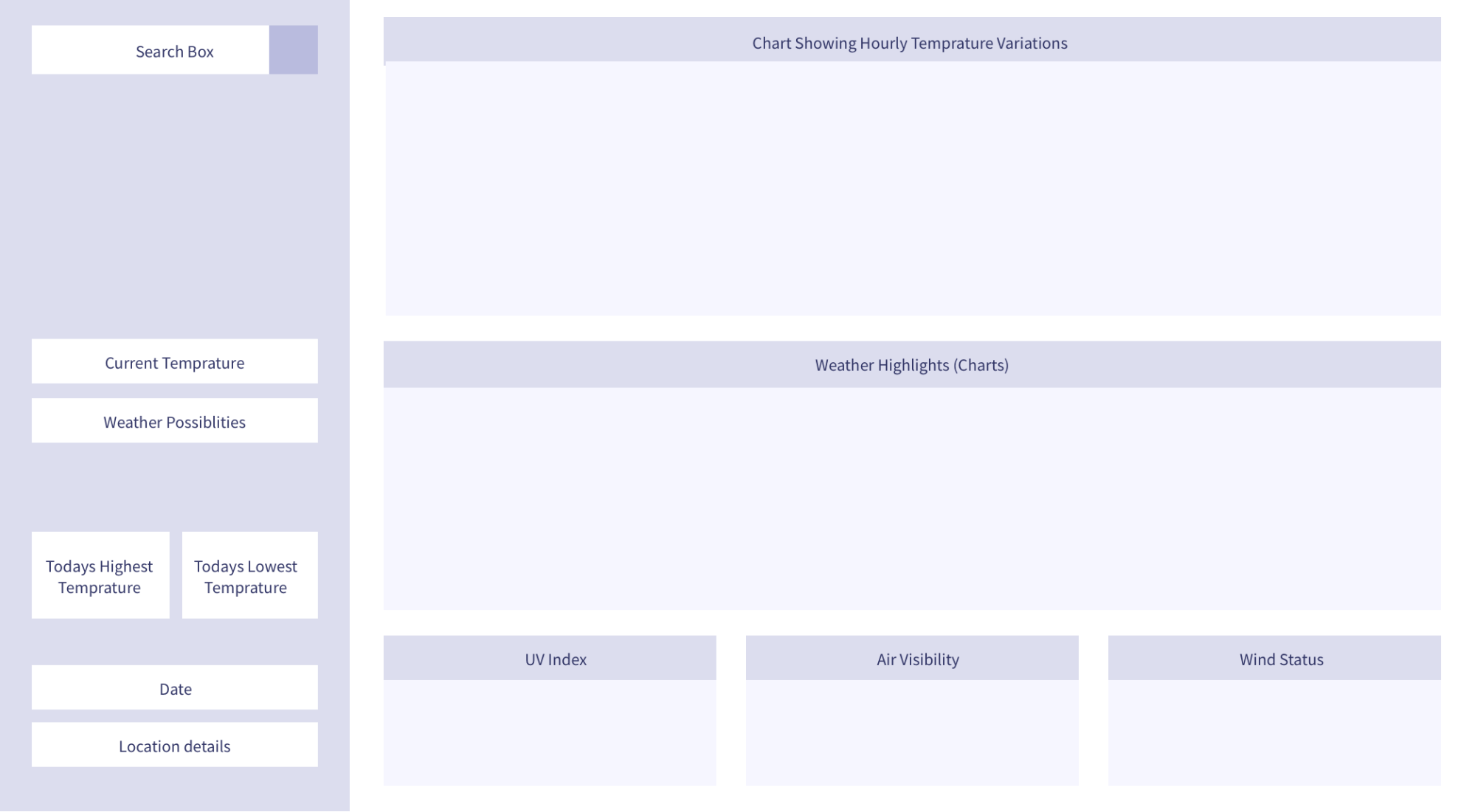
Generate Access Keys Using Cloud Formation Template
In the aws management console, you invoke the csvexporter lambda function with a test event.;.

SRC en AWS AWS Partner Network (APN) Blog Wrap Up CrossAccount Role
This is the aws codecommit api reference.this reference provides descriptions of the operations and data.

Creating a VPC with VPN access for running virtual appliances on AWS
Then you can run aws commands in your ci/cd jobs. This is the aws codecommit.
Parameters are defined in your template and allow you to input custom values when you create or update a stack. If you don't specify a name, codepipeline doesn't generate an output artifact. Use an image to run aws commands. If you use the cloudformation console, the console automatically validates the template after you specify input parameters. In the aws management console, you invoke the csvexporter lambda function with a test event.; Creates a snapshot from an existing volume; Variables are protected by default.to use gitlab ci/cd with branches or tags that are not protected, clear the protect variable checkbox. The export function calls the security hub getfindings api action and gets a list of findings to export from security hub.; For the aws cli or cloudformation api, use the aws cloudformation. The output artifact contains a json file with the contents of the outputs section of the aws cloudformation template. Then you can run aws commands in your ci/cd jobs. Figure 1 shows the following numbered steps: This is the aws codecommit api reference.this reference provides descriptions of the operations and data types for aws codecommit api along with usage examples. Validating a template can help you catch syntax and some semantic errors, such as circular dependencies, before cloudformation creates any resources.
In The Aws Management Console, You Invoke The Csvexporter Lambda Function With A Test Event.;
This is the aws codecommit api reference.this reference provides descriptions of the operations and data types for aws codecommit api along with usage examples. The output artifact contains a json file with the contents of the outputs section of the aws cloudformation template. Variables are protected by default.to use gitlab ci/cd with branches or tags that are not protected, clear the protect variable checkbox. Then you can run aws commands in your ci/cd jobs.
If You Don't Specify A Name, Codepipeline Doesn't Generate An Output Artifact.
Parameters Are Defined In Your Template And Allow You To Input Custom Values When You Create Or Update A Stack.
If you use the cloudformation console, the console automatically validates the template after you specify input parameters. The export function calls the security hub getfindings api action and gets a list of findings to export from security hub.; Figure 1 shows the following numbered steps: