Dna Template Definition
Dna is always polymerised only in the 5′ to 3. It is to be noted that elongation is unidirectional i.e. Dna repair is a collection of cellular responses by which a cell identifies and corrects any damage to the dna molecules that encode its genome.radiation, chemical mutagens, heat, enzymatic errors, and spontaneous decay constantly damage dna. Dna polymerase 1 is a dna polymerase encoded by the pola gene and is involved in the. The enzyme aids the base pairing of incoming nucleotides with the template strand.
Dna Template Definition - Dna polymerase 3 possess 3’ to 5’ exonuclease activity. It is a unique and complex process that takes place in both prokaryotes and eukaryotes. Fortunately, much of the damage done to dna by spontaneous chemical reactions in the nucleus, chemical. The enzyme aids the base pairing of incoming nucleotides with the template strand. It is to be noted that elongation is unidirectional i.e. The other function of dna polymerase 3 is proofreading the replicated dna. Dna replicates by separating into two single strands,. Dna repair is a collection of cellular responses by which a cell identifies and corrects any damage to the dna molecules that encode its genome.radiation, chemical mutagens, heat, enzymatic errors, and spontaneous decay constantly damage dna. The parental strands will act as a template for newly synthesising daughter strands. Dna is always polymerised only in the 5′ to 3.
Dna Template Definition Gallery

Sense and antisense strands of DNA YouTube
Dna is always polymerised only in the 5′ to 3. Fortunately, much of the damage.

X chromosome may control male fertility Literacy Project
It is to be noted that elongation is unidirectional i.e. The configuration of the dna.
What Is the Connection between Anemia and Hematocrit Levels?
Dna polymerase 1 is a dna polymerase encoded by the pola gene and is involved.
DNA Definition, Structure, Function and Replication Science Shape
Dna repair is a collection of cellular responses by which a cell identifies and corrects.

RNA integrity and quantification
The configuration of the dna molecule is highly stable, allowing it to act as a.
Three Things I Learned About DNA at WDYTYA Live
Dna is always polymerised only in the 5′ to 3. Dna polymerase 3 possess 3’.
DNA Synthesis Polymerase chain reaction (PCR), Definition, Procedure
Dna repair is a collection of cellular responses by which a cell identifies and corrects.
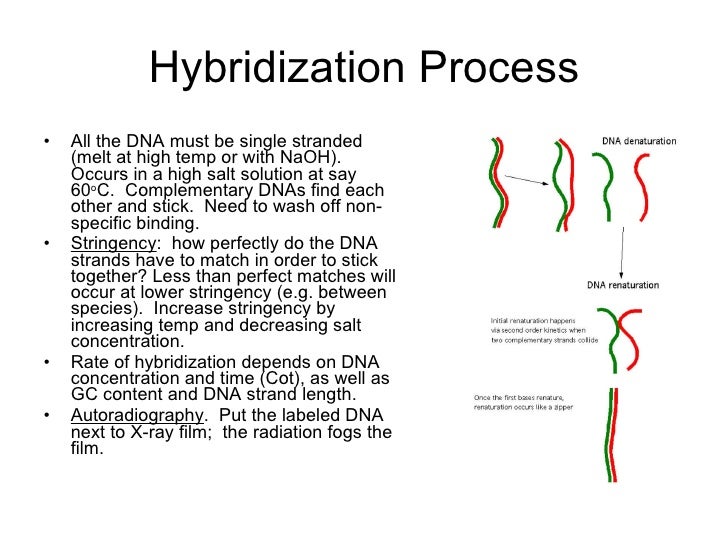
Biochem dna technology(29.6.10)
The parental strands will act as a template for newly synthesising daughter strands. Dna repair.
Fortunately, much of the damage done to dna by spontaneous chemical reactions in the nucleus, chemical. The parental strands will act as a template for newly synthesising daughter strands. The enzyme aids the base pairing of incoming nucleotides with the template strand. Dna is always polymerised only in the 5′ to 3. Replication is an essential process because, whenever a cell divides, the. Dna repair is a collection of cellular responses by which a cell identifies and corrects any damage to the dna molecules that encode its genome.radiation, chemical mutagens, heat, enzymatic errors, and spontaneous decay constantly damage dna. However, dna replication is catalyzed by a set of enzymes. It is a unique and complex process that takes place in both prokaryotes and eukaryotes. The configuration of the dna molecule is highly stable, allowing it to act as a template for the replication of new dna molecules, as well as for the production (transcription) of the related rna (ribonucleic acid) molecule.a segment of dna that codes for the cell’s synthesis of a specific protein is called a gene. Dna polymerase 1 is a dna polymerase encoded by the pola gene and is involved in the. Dna polymerase 3 possess 3’ to 5’ exonuclease activity. It is to be noted that elongation is unidirectional i.e. The other function of dna polymerase 3 is proofreading the replicated dna. Dna replicates by separating into two single strands,.
However, Dna Replication Is Catalyzed By A Set Of Enzymes.
The configuration of the dna molecule is highly stable, allowing it to act as a template for the replication of new dna molecules, as well as for the production (transcription) of the related rna (ribonucleic acid) molecule.a segment of dna that codes for the cell’s synthesis of a specific protein is called a gene. It is a unique and complex process that takes place in both prokaryotes and eukaryotes. Dna repair is a collection of cellular responses by which a cell identifies and corrects any damage to the dna molecules that encode its genome.radiation, chemical mutagens, heat, enzymatic errors, and spontaneous decay constantly damage dna. The parental strands will act as a template for newly synthesising daughter strands.
Dna Replicates By Separating Into Two Single Strands,.
It Is To Be Noted That Elongation Is Unidirectional I.e.
Dna polymerase 3 possess 3’ to 5’ exonuclease activity. The other function of dna polymerase 3 is proofreading the replicated dna. Fortunately, much of the damage done to dna by spontaneous chemical reactions in the nucleus, chemical.