Dna Polymerase Reads The Dna Template Strand From The
Hence, this enzyme reads the just added nucleotides, and if there is any mismatch with the template strand, it will be removed. Dna polymerase 3 possess 3’ to 5’ exonuclease activity. The enzyme aids the base pairing of incoming nucleotides with the template strand. To avoid this, dna polymerase ‘proofreads’ the complementary strand as it moves along the dna. If it detects a mismatch, it can ‘snip out’ the wrong nucleotide and replace it with the right one.
Dna Polymerase Reads The Dna Template Strand From The - The enzyme aids the base pairing of incoming nucleotides with the template strand. To avoid this, dna polymerase ‘proofreads’ the complementary strand as it moves along the dna. Hence, this enzyme reads the just added nucleotides, and if there is any mismatch with the template strand, it will be removed. Dna polymerase 3 possess 3’ to 5’ exonuclease activity. The other function of dna polymerase 3 is proofreading the replicated dna. If it detects a mismatch, it can ‘snip out’ the wrong nucleotide and replace it with the right one. It is important that dna polymerase accurately copies the template strand to avoid placing the wrong dna nucleotide in the incorrect position.
Dna Polymerase Reads The Dna Template Strand From The Gallery
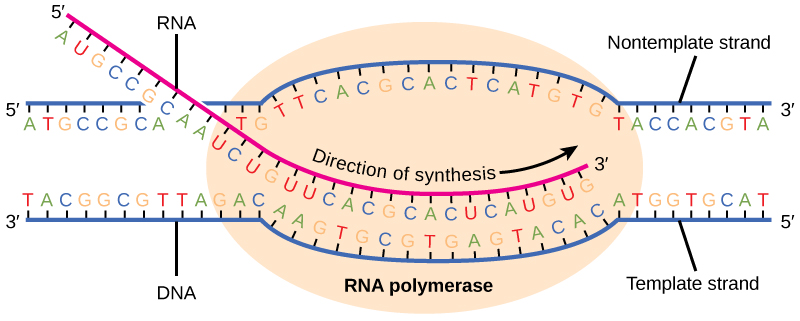
9.3 Transcription Concepts of Biology 1st Canadian Edition
Dna polymerase 3 possess 3’ to 5’ exonuclease activity. The enzyme aids the base pairing.
Distinct energetics and closing pathways for DNA polymerase β with 8
If it detects a mismatch, it can ‘snip out’ the wrong nucleotide and replace it.

Protein Synthesis ‹ OpenCurriculum
The enzyme aids the base pairing of incoming nucleotides with the template strand. To avoid.

The lagging strand of DNA is synthesized discontinuouslyduring
The enzyme aids the base pairing of incoming nucleotides with the template strand. To avoid.
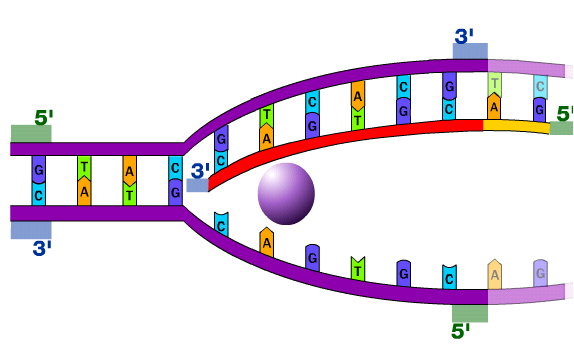
Molecular Biology DNA Replication Quiz! ProProfs Quiz
If it detects a mismatch, it can ‘snip out’ the wrong nucleotide and replace it.
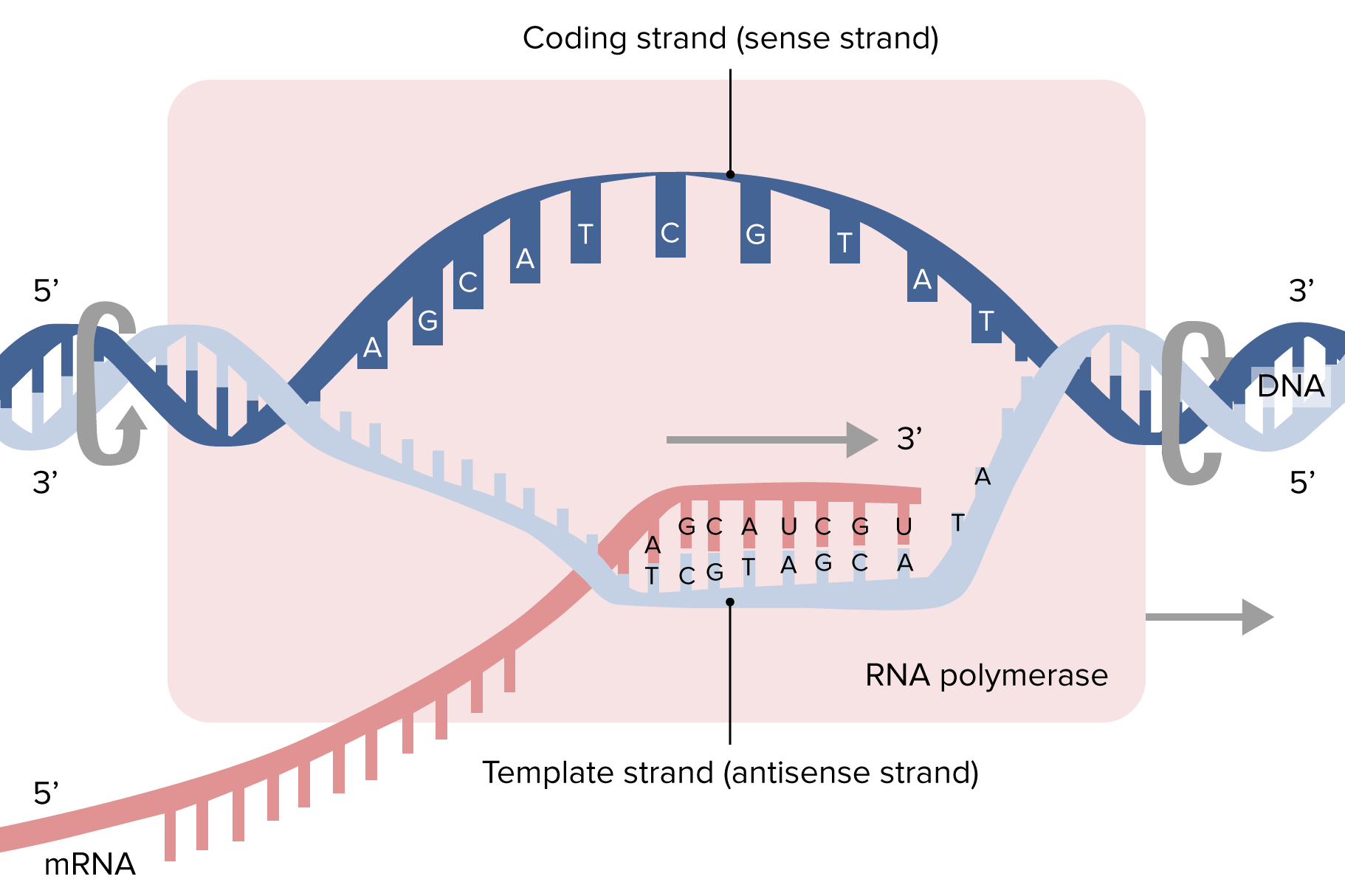
Stages of Transcription Concise Medical Knowledge
Hence, this enzyme reads the just added nucleotides, and if there is any mismatch with.

Molecular diagnostics in hematopathology Rodak's Hematology Clinical
Dna polymerase 3 possess 3’ to 5’ exonuclease activity. To avoid this, dna polymerase ‘proofreads’.
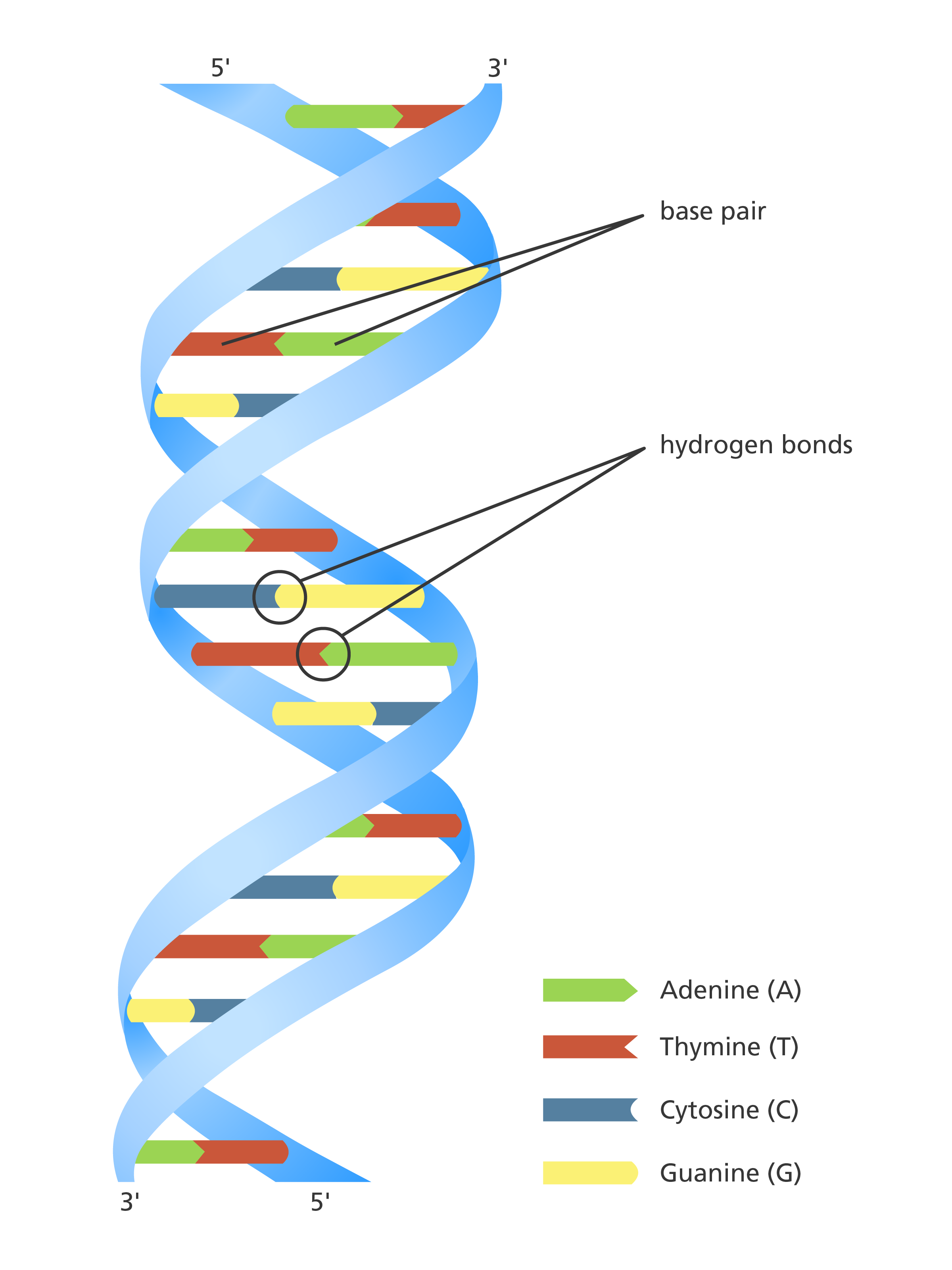
Can essential oils repair DNA? (the short answer is "no") Tisserand
Dna polymerase 3 possess 3’ to 5’ exonuclease activity. If it detects a mismatch, it.
Dna polymerase 3 possess 3’ to 5’ exonuclease activity. If it detects a mismatch, it can ‘snip out’ the wrong nucleotide and replace it with the right one. It is important that dna polymerase accurately copies the template strand to avoid placing the wrong dna nucleotide in the incorrect position. The other function of dna polymerase 3 is proofreading the replicated dna. The enzyme aids the base pairing of incoming nucleotides with the template strand. To avoid this, dna polymerase ‘proofreads’ the complementary strand as it moves along the dna. Hence, this enzyme reads the just added nucleotides, and if there is any mismatch with the template strand, it will be removed.
The Enzyme Aids The Base Pairing Of Incoming Nucleotides With The Template Strand.
The other function of dna polymerase 3 is proofreading the replicated dna. Dna polymerase 3 possess 3’ to 5’ exonuclease activity. It is important that dna polymerase accurately copies the template strand to avoid placing the wrong dna nucleotide in the incorrect position. To avoid this, dna polymerase ‘proofreads’ the complementary strand as it moves along the dna.