Django Template Dict To Json
To clarify, items is a python method call on the dictionary, not a django keyword. This package uses 2 major packages : You can set its url with the parameter docs_url.; If you want to disable the openapi schema completely you can set openapi_url=none, that will also disable the documentation user interfaces that use it. You can configure the two documentation user interfaces included:
Django Template Dict To Json - Json_sort_keys¶ sort the keys of json objects. Eval_ctx ¶ the current evaluation context. The keys in this dict are the names of the blocks, and the values a list of blocks registered. If you want to disable the openapi schema completely you can set openapi_url=none, that will also disable the documentation user interfaces that use it. Example of django create superuser. For full details on each field’s behavior in this case, see the “empty value” note for each field. From django.db import models from django.contrib.auth.models import user Nice concise solution to the question. This package uses 2 major packages : Call (callable, \*args, \**kwargs) 
Django Template Dict To Json Gallery

Andy Boyle Tribune DataViz
From django.db import models from django.contrib.auth.models import user Use a docx as a jinja2 template..
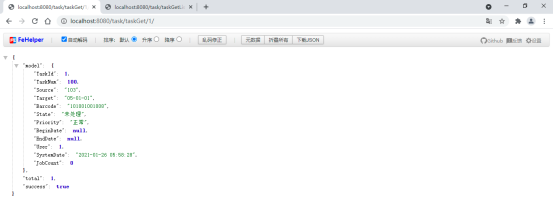
python工业互联网应用实战16—前后端分离模式之django template vs jquery2 wuch 博客园
A dict with the current mapping of blocks in the template. From django.db import models.
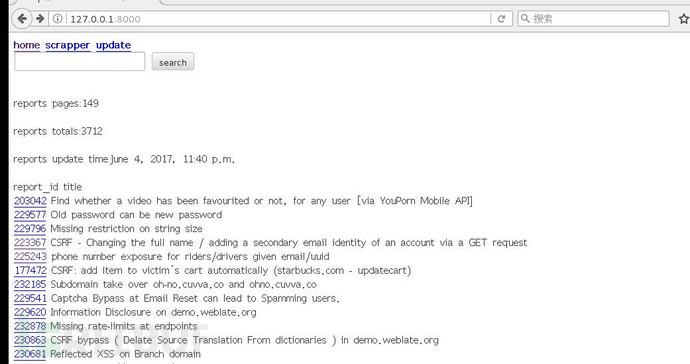
Hackerone报告离线版 FreeBuf互联网安全新媒体平台 关注黑客与极客
Nice concise solution to the question. As alex martelli points out it's basically the same.

javascript Cloudinary direct upload documentation example is not
A dict with the current mapping of blocks in the template. If you want to.
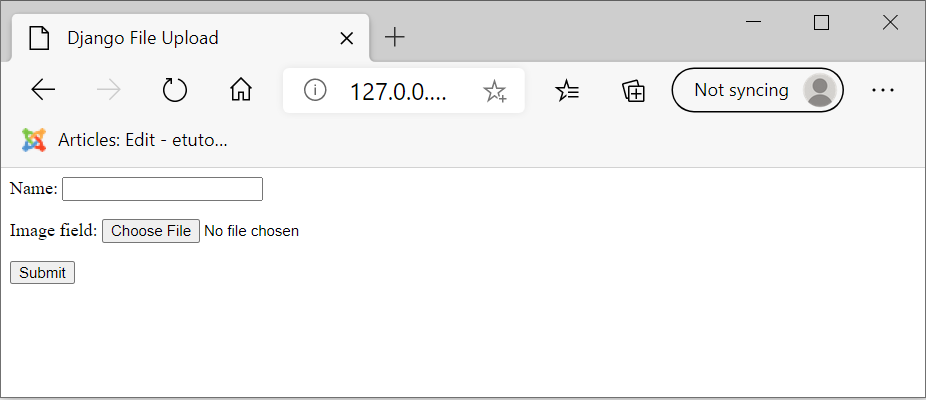
How to upload image and add in Django model Imagefield
Nice concise solution to the question. You can configure the two documentation user interfaces included:.
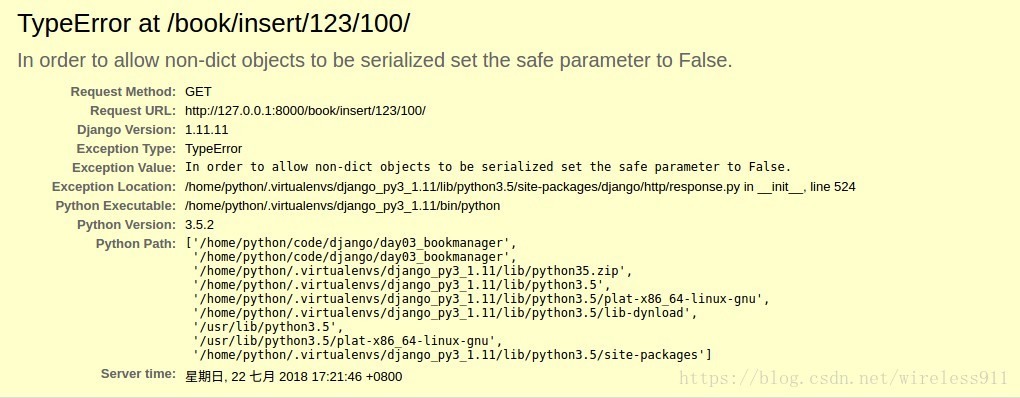
jsonresponse CSDN
A dict with the current mapping of blocks in the template. Call (callable, \*args, \**kwargs).

Pass python object to views Django Stack Overflow
You can configure the two documentation user interfaces included: The keys in this dict are.
This has security implications when rendering the json into javascript in templates, and should typically remain enabled. The keys in this dict are the names of the blocks, and the values a list of blocks registered. For full details on each field’s behavior in this case, see the “empty value” note for each field. This package uses 2 major packages : Example of django create superuser. It is used because some form elements have multiple values for the same key and it saves the multiple values of a key in form of a list. In this above example, the cleaned_data value for nick_name is set to an empty string, because nick_name is charfield, and charfield s treat empty values as an empty string. If you want to disable the openapi schema completely you can set openapi_url=none, that will also disable the documentation user interfaces that use it. Use a docx as a jinja2 template. The last item in each list is the current active block (latest in the inheritance chain). From django.db import models from django.contrib.auth.models import user You can set its url with the parameter docs_url.; A dict with the current mapping of blocks in the template. You can disable it by setting docs_url=none. Nice concise solution to the question.
Example Of Django Create Superuser.
Call (callable, \*args, \**kwargs) ¶ The keys in this dict are the names of the blocks, and the values a list of blocks registered. If you have an item in your dictionary named 'items', you'll get that value back instead of a list of tuples. From django.db import models from django.contrib.auth.models import user
Given Below Is The Example Mentioned:
If You Want To Disable The Openapi Schema Completely You Can Set Openapi_Url=None, That Will Also Disable The Documentation User Interfaces That Use It.
You can disable it by setting docs_url=none. For full details on each field’s behavior in this case, see the “empty value” note for each field. It is used because some form elements have multiple values for the same key and it saves the multiple values of a key in form of a list. This has security implications when rendering the json into javascript in templates, and should typically remain enabled.
This Package Uses 2 Major Packages :
To clarify, items is a python method call on the dictionary, not a django keyword. In this above example, the cleaned_data value for nick_name is set to an empty string, because nick_name is charfield, and charfield s treat empty values as an empty string. You can configure the two documentation user interfaces included: Nice concise solution to the question.