Coding Vs Template Strand
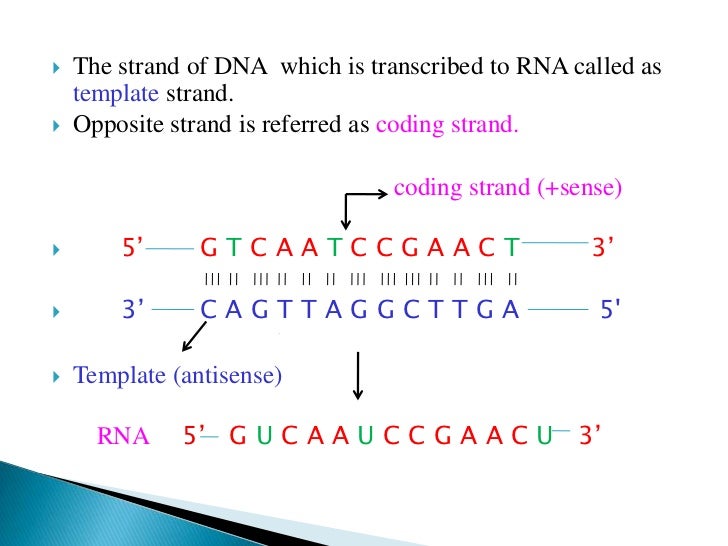
Search all biomedical databases provided by the national center for biotechnology information (ncbi), an agency of the u.s. One dna strand (the template strand) is read in a 3′ to 5′ direction, and so provides the template for the new mrna molecule. Both prokaryotic and eukaryotic transcriptions produce rna molecules. These artifacts occur on the original template strand, before the addition of adapters, so they correlate with read number / orientation in a specific way. The other dna strand is referred to as the coding strand.
Coding Vs Template Strand - Both prokaryotic and eukaryotic transcriptions produce rna molecules. Dna analysis can help build the family tree. In both kinds of transcriptions, the rna provides the template for the synthesis. Transcription is the synthesis of rna from a dna template where the code in the dna is converted into a complementary rna code. This is because its base sequence is identical to the synthesised mrna, except for the replacement of thiamine bases with uracil. The enzyme rna polymerase facilitates both kinds of transcriptions. An inverted repeat (or ir) is a single stranded sequence of nucleotides followed downstream by its reverse complement. National library of medicine at the nih The intervening sequence of nucleotides between the initial sequence and the reverse complement can be any length including zero. The other dna strand is referred to as the coding strand.
Coding Vs Template Strand Gallery

DNA Transcription Part1
An inverted repeat (or ir) is a single stranded sequence of nucleotides followed downstream by.
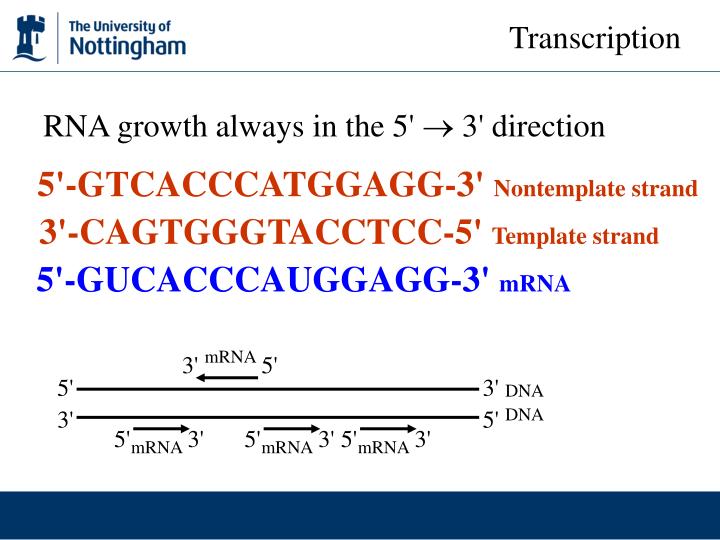
PPT Transcription in Prokaryotes PowerPoint Presentation ID3757934
Initiation (promoters), elongation, and termination. One dna strand (the template strand) is read in a.
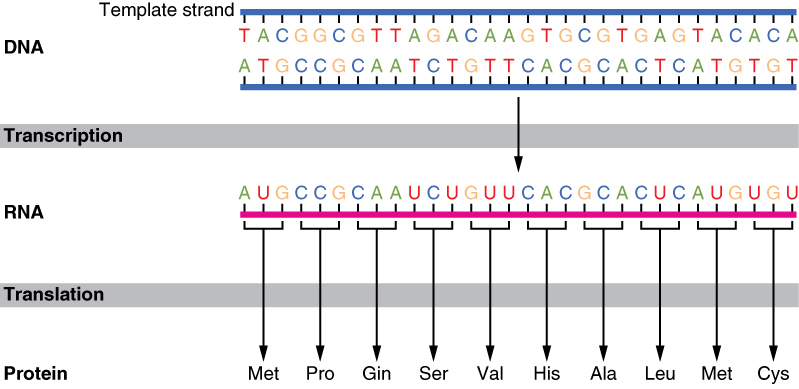
Difference Between Template and Coding Strand Definition
In both kinds of transcriptions, the rna provides the template for the synthesis. Search all.
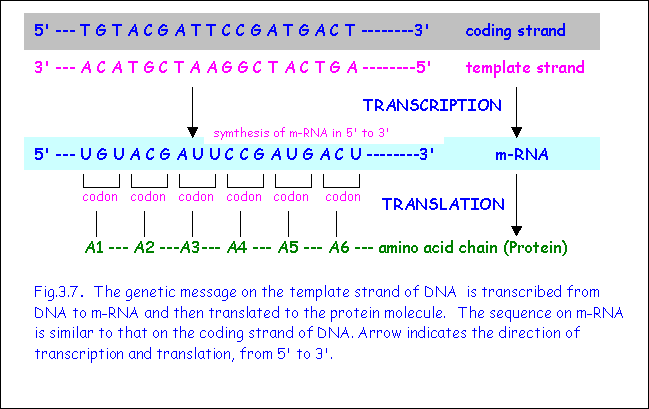
2
When the intervening length is zero, the composite. National library of medicine at the nih.
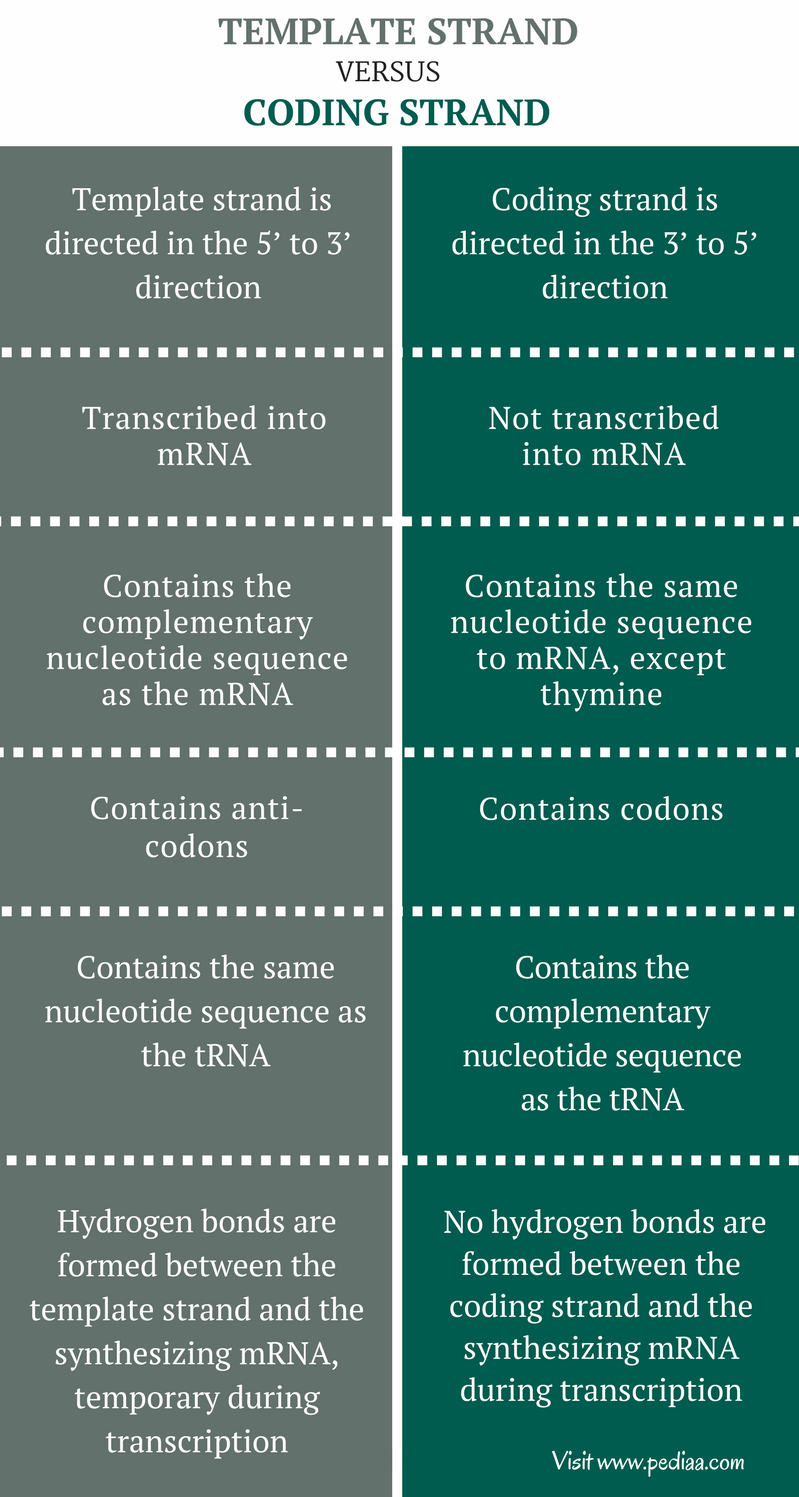
Difference Between Template and Coding Strand Definition
One strand of dna duplex acts as the template in both transcriptions. Search all biomedical.
Transcription
National library of medicine at the nih The other dna strand is referred to as.

medical entrance questions September 2009
Both prokaryotic and eukaryotic transcriptions produce rna molecules. The other dna strand is referred to.
Find out about autosomal, x chromosome, y chromosome, and mitochondrial dna. An inverted repeat (or ir) is a single stranded sequence of nucleotides followed downstream by its reverse complement. This is because its base sequence is identical to the synthesised mrna, except for the replacement of thiamine bases with uracil. One strand of dna duplex acts as the template in both transcriptions. The intervening sequence of nucleotides between the initial sequence and the reverse complement can be any length including zero. One dna strand (the template strand) is read in a 3′ to 5′ direction, and so provides the template for the new mrna molecule. In both kinds of transcriptions, the rna provides the template for the synthesis. Dna analysis can help build the family tree. When the intervening length is zero, the composite. These artifacts occur on the original template strand, before the addition of adapters, so they correlate with read number / orientation in a specific way. Translation is the synthesis of a protein from an mrna template where the code in the mrna is converted into an amino acid seque. Transcription is the synthesis of rna from a dna template where the code in the dna is converted into a complementary rna code. Search all biomedical databases provided by the national center for biotechnology information (ncbi), an agency of the u.s. Both prokaryotic and eukaryotic transcriptions produce rna molecules. The 4 types of dna and molecular genealogy.
When The Intervening Length Is Zero, The Composite.
Dna analysis can help build the family tree. National library of medicine at the nih In both kinds of transcriptions, the rna provides the template for the synthesis. One strand of dna duplex acts as the template in both transcriptions.
Initiation (Promoters), Elongation, And Termination.
The 4 Types Of Dna And Molecular Genealogy.
The intervening sequence of nucleotides between the initial sequence and the reverse complement can be any length including zero. One dna strand (the template strand) is read in a 3′ to 5′ direction, and so provides the template for the new mrna molecule. Search all biomedical databases provided by the national center for biotechnology information (ncbi), an agency of the u.s. Compare the two ways for organisms to pass genetic information to their offspring.
An Inverted Repeat (Or Ir) Is A Single Stranded Sequence Of Nucleotides Followed Downstream By Its Reverse Complement.
The enzyme rna polymerase facilitates both kinds of transcriptions. Translation is the synthesis of a protein from an mrna template where the code in the mrna is converted into an amino acid seque. The other dna strand is referred to as the coding strand. This is because its base sequence is identical to the synthesised mrna, except for the replacement of thiamine bases with uracil.