C++ Partial Template Specialization
If the enclosing template is instantiated, the declaration of each member partial specialization is instantiated as well (the same way declarations, but not definitions, of all other members of a template are instantiated). The result is a template parameterized on the remaining types. Partial specialization allows template code to be partially customized for specific types in situations, such as: If all of the parameters are specialized it is a full specialization. Explicit specialization is used when the behavior of a function or class for particular choices of the template.
C++ Partial Template Specialization - A function with the same name and the same argument list as a specialization is not a specialization (see template overloading in function template). If a class template is specialized by a subset of its parameters it is called partial template specialization (function templates cannot be partially specialized). If the enclosing template is instantiated, the declaration of each member partial specialization is instantiated as well (the same way declarations, but not definitions, of all other members of a template are instantiated). Template specialization (c++) article 08/03/2021; Partial specialization allows template code to be partially customized for specific types in situations, such as: A template can have any number of specializations as long as each specialized type parameter is unique. If a primary template is a member of another class template, its partial specializations are members of the enclosing class template. Default function arguments cannot be. Learncpp.com is a free website devoted to teaching you how to program in c++. An explicit specialization of a function template is inline only if it is declared with the inline specifier (or defined as deleted), it doesn't matter if the primary template is inline.
C++ Partial Template Specialization Gallery
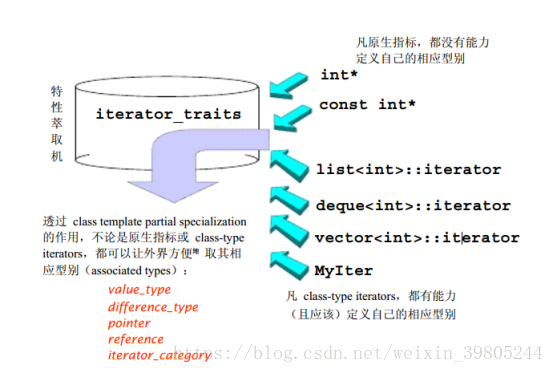
抛砖引玉篇Iterator(STL)&template&nested type_weixin_39805244的博客CSDN博客
If the enclosing template is instantiated, the declaration of each member partial specialization is instantiated.

Function Templates Partial Specialization in C++ Fluent C++
A template has multiple types and only some of them need to be specialized. A.
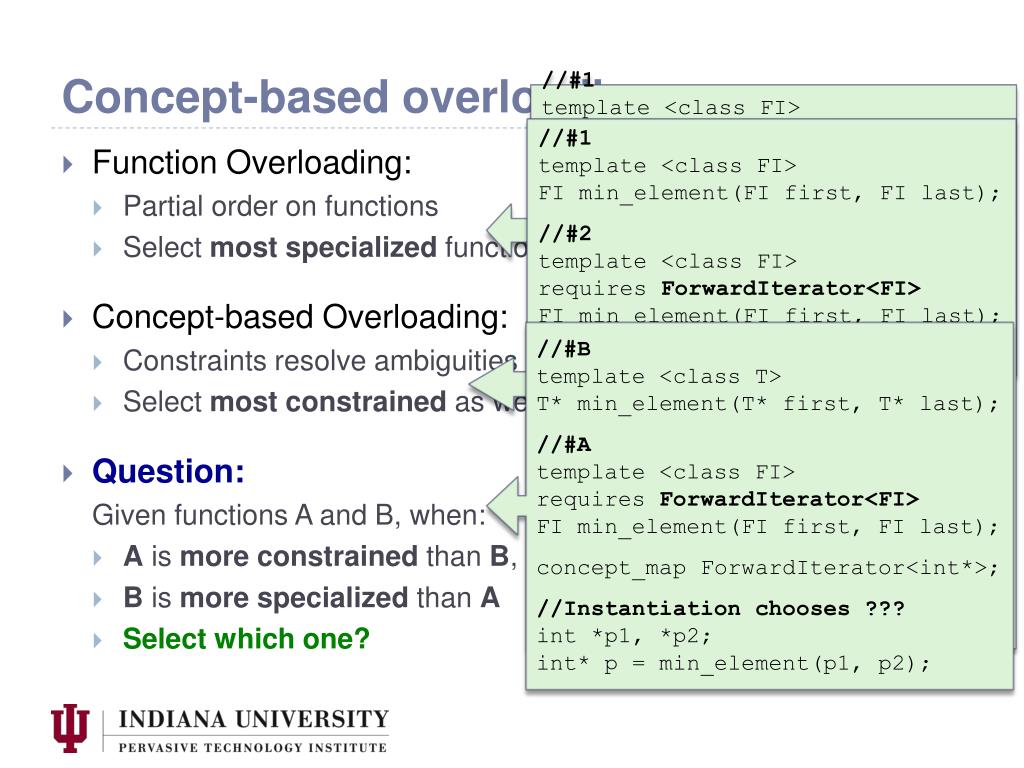
PPT ConceptClang An Implementation of C++ Concepts in Clang
Template specialization (c++) article 08/03/2021; A template can have any number of specializations as long.

lecture_16.pdf Lecture 16 March 5th 2019 Concepts introduced perfect
For more information, see template specialization. If a class template is specialized by a subset.
PPT DEV 321 Understanding and Using Advanced C++ Template Features
A function with the same name and the same argument list as a specialization is.

PPT Modern C++ in practice PowerPoint Presentation, free download
All complete and partial specializations of a template must be declared in the same namespace.
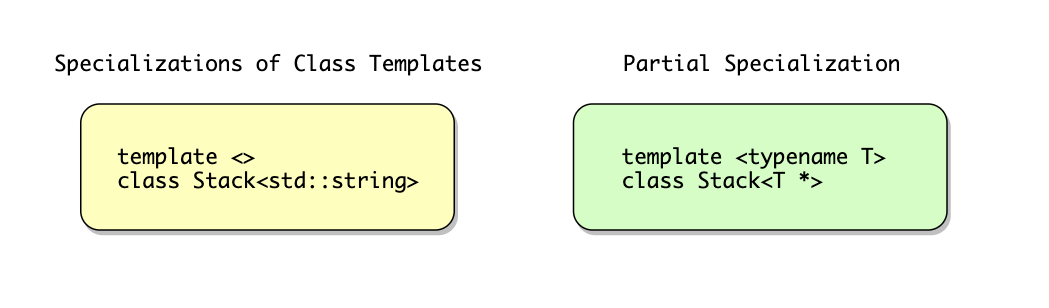
c++1117 模板核心知识(二)—— 类模板
The result is a template parameterized on the remaining types. If the enclosing template is.
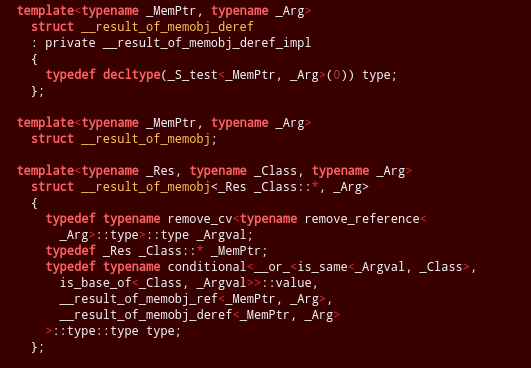
Advanced C++ Templates. STL magic tricks explained ! by Ivan Matmati
All complete and partial specializations of a template must be declared in the same namespace.
It separately and correctly handles different pointer sizes and unsigned long sizes for different oss and architectures. If all of the parameters are specialized it is a full specialization. A template can have any number of specializations as long as each specialized type parameter is unique. Default function arguments cannot be. Learncpp.com is a free website devoted to teaching you how to program in c++. Whether you’ve had any prior programming experience or not, the tutorials on this site will walk you through all the steps to write, compile, and debug your c++ programs, all with plenty of examples. Partial specialization allows template code to be partially customized for specific types in situations, such as: Only class templates may be partially specialized. Explicit specialization is used when the behavior of a function or class for particular choices of the template. An explicit specialization of a function template is inline only if it is declared with the inline specifier (or defined as deleted), it doesn't matter if the primary template is inline. For more information, see template specialization. A function with the same name and the same argument list as a specialization is not a specialization (see template overloading in function template). If the enclosing template is instantiated, the declaration of each member partial specialization is instantiated as well (the same way declarations, but not definitions, of all other members of a template are instantiated). A template has multiple types and only some of them need to be specialized. And it relies on template partial specialization to correctly select the right sprintf format and leading 0 addition.
And It Relies On Template Partial Specialization To Correctly Select The Right Sprintf Format And Leading 0 Addition.
Whether you’ve had any prior programming experience or not, the tutorials on this site will walk you through all the steps to write, compile, and debug your c++ programs, all with plenty of examples. If a primary template is a member of another class template, its partial specializations are members of the enclosing class template. Only class templates may be partially specialized. Explicit specialization is used when the behavior of a function or class for particular choices of the template.
Consider The Case Where You Want To Design A Class That Stores 8 Objects.
It Separately And Correctly Handles Different Pointer Sizes And Unsigned Long Sizes For Different Oss And Architectures.
A template has multiple types and only some of them need to be specialized. Partial specialization allows template code to be partially customized for specific types in situations, such as: If a class template is specialized by a subset of its parameters it is called partial template specialization (function templates cannot be partially specialized). If all of the parameters are specialized it is a full specialization.
A Function With The Same Name And The Same Argument List As A Specialization Is Not A Specialization (See Template Overloading In Function Template).
Default function arguments cannot be. All complete and partial specializations of a template must be declared in the same namespace as the original template. If the enclosing template is instantiated, the declaration of each member partial specialization is instantiated as well (the same way declarations, but not definitions, of all other members of a template are instantiated). Learncpp.com is a free website devoted to teaching you how to program in c++.