Angular Template Reference Variable
In this post you’re going to learn how to select an element in an angular template. Angular is a platform for building mobile and desktop web applications. The angular microsyntax lets you configure a directive in a compact, friendly string. The let keyword declares a template input variable that you reference within the template. If you would like to follow along with this tutorial:
Angular Template Reference Variable - If provided, do not supply an inline. The viewchild decorator returns the first element that matches a given directive, component, or template reference selector. Use @angular/cli to create a new project to test viewchild functionality in. The relative path or absolute url of a template file for an angular component. First, let’s create an and give it an ngmodel directive: If you would like to follow along with this tutorial: The let keyword declares a template input variable that you reference within the template. In this post you’re going to learn how to select an element in an angular template. The concept of getting a reference to an element is typically known as a “reference variable” (even in react they’re called “refs”). Angular is a platform for building mobile and desktop web applications.
Angular Template Reference Variable Gallery

Defines the name that can be used in the template to assign this directive to.

Luc Desruelle Certifié LabVIEW Architect & TestStand développeur
The viewchild decorator returns the first element that matches a given directive, component, or template.

Element references inside the template. In this post you’re going to learn how to select.
Angular input, output & EventEmitter TekTutorialsHub
The viewchild decorator returns the first element that matches a given directive, component, or template.

Core, Angular and Webpack Send Screen as a ViewChild Exciton
Consider an angular component that contains a currentcustomer variable: The let keyword declares a template.
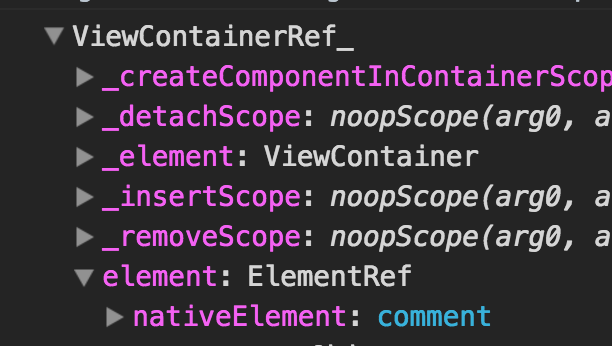
Dynamically Creating Components with Angular by Netanel Basal
The viewchild decorator returns the first element that matches a given directive, component, or template.
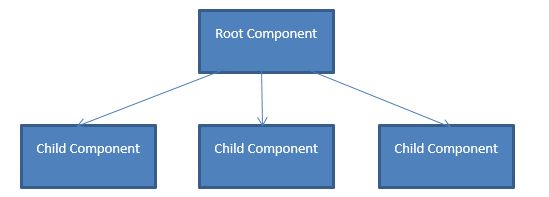
Angular ViewChild Directive And Components Interaction
In this post you’re going to learn how to select an element in an angular.
Angular Form and Validations jslib.dev
Configures the queries that will be. Defines the name that can be used in the.
If provided, do not supply an inline. If you would like to follow along with this tutorial: Defines the name that can be used in the template to assign this directive to a variable. First, let’s create an and give it an ngmodel directive: The relative path or absolute url of a template file for an angular component. Use @angular/cli to create a new project to test viewchild functionality in. Angular is a platform for building mobile and desktop web applications. The let keyword declares a template input variable that you reference within the template. Configures the queries that will be. The angular microsyntax lets you configure a directive in a compact, friendly string. In this post you’re going to learn how to select an element in an angular template. Consider an angular component that contains a currentcustomer variable: Element references inside the template. The viewchild decorator returns the first element that matches a given directive, component, or template reference selector. The concept of getting a reference to an element is typically known as a “reference variable” (even in react they’re called “refs”).
First, Let’s Create An And Give It An Ngmodel Directive:
Angular is a platform for building mobile and desktop web applications. The angular microsyntax lets you configure a directive in a compact, friendly string. If provided, do not supply an inline. The let keyword declares a template input variable that you reference within the template.
The Relative Path Or Absolute Url Of A Template File For An Angular Component.
The Concept Of Getting A Reference To An Element Is Typically Known As A “Reference Variable” (Even In React They’re Called “Refs”).
Defines the name that can be used in the template to assign this directive to a variable. Consider an angular component that contains a currentcustomer variable: If you would like to follow along with this tutorial: Use @angular/cli to create a new project to test viewchild functionality in.